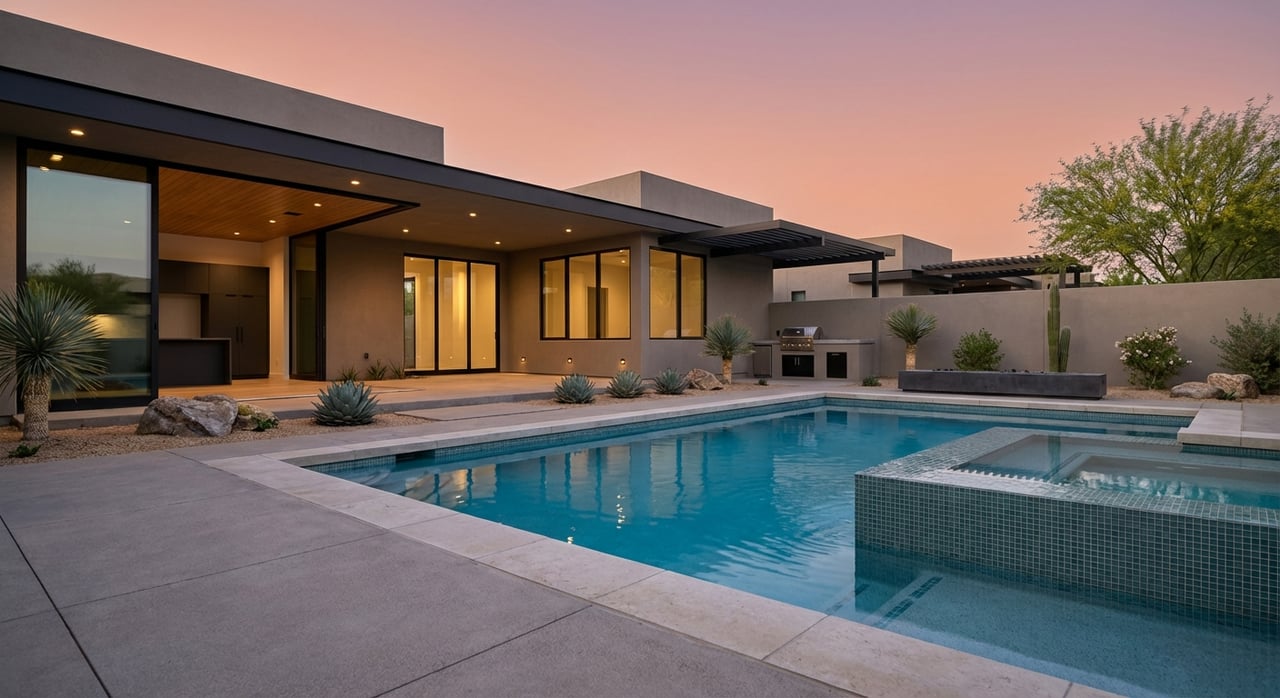
What makes a Paradise Valley estate feel effortless year-round and hold its value when you decide to sell? In the Sonoran Desert, design is not just taste. It is performance, comfort, and long-term stewardship of a rare setting. In this guide, you will learn the desert-informed design moves that elevate daily living and position a luxury home for premium resale. Let’s dive in.
Climate and planning set the brief
Paradise Valley is defined by heat, sun, and big skies. The Town averages about 294 sunny days each year, with average July highs near 104°F and light annual rainfall. These realities shape glazing, shading, hardscape, and outdoor room strategies. You can confirm local climate conditions on the Town’s site under Climate resources. Town of Paradise Valley climate overview
Municipal policy also matters for how estates are planned and remodeled. The Town’s 2022 General Plan emphasizes low-density residential character on primarily one-acre lots, preservation of mountain views, and protection of wash corridors. These guidelines influence massing, setbacks, and landscape concepts, especially on hillside or wash-adjacent parcels. Reviewing the official document helps you plan design choices that align with policy and protect sightlines. Town of Paradise Valley 2022 General Plan
Architectural styles that lead resale
Desert Contemporary and Desert Modern
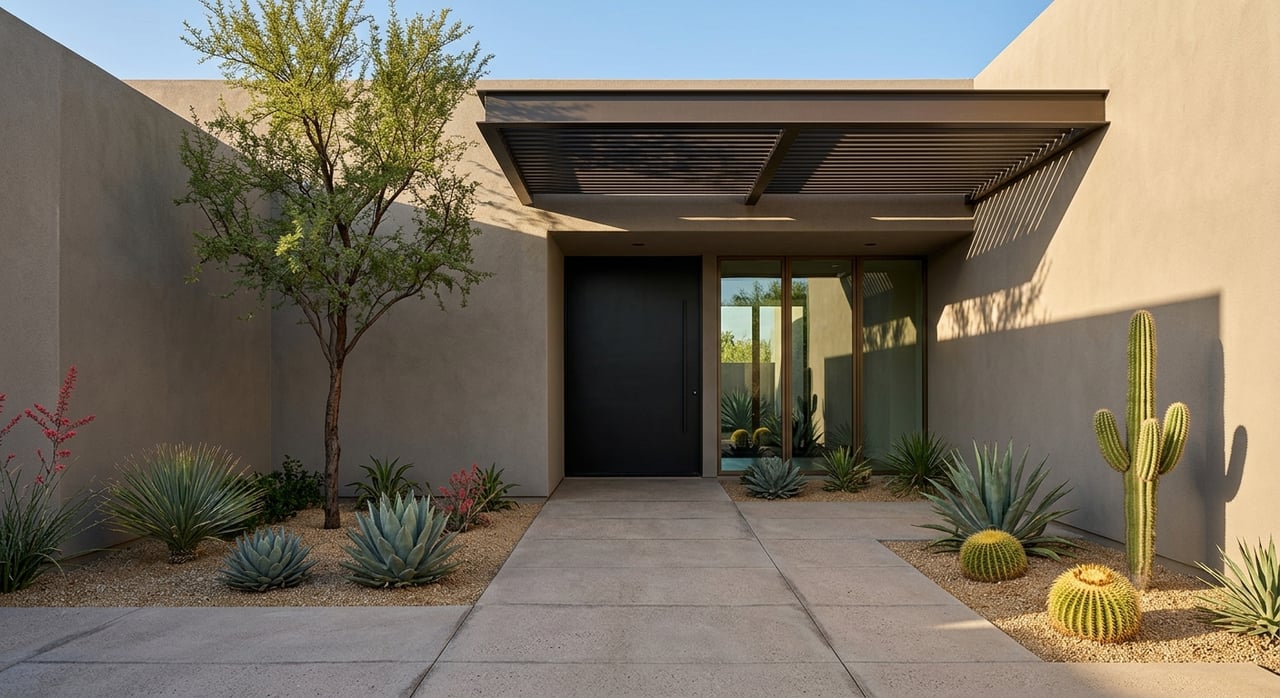
Desert Contemporary remains the signature look for new custom work in Paradise Valley. Expect low, horizontal massing that frames mountains, deep shaded patios under floating roof canopies, and a palette of natural stone, textured stucco, steel accents, and warm wood. These features read as both modern and climate-smart, which helps with long-term appeal. Paradise Valley architectural styles overview
Warm Modern interiors
Inside, you see a quiet, minimal approach: natural materials, neutral desert palettes, and refined details that prioritize proportion and longevity over flash. The result is a calm, gallery-like setting that supports art and views while standing up to desert life.
Mid-century-informed restorations
Where a home has architectural provenance, thoughtful updates that honor the original intent while layering in modern systems remain popular. The mix of period integrity and current performance can be compelling for buyers who value design literacy and comfort.
Indoor-outdoor design essentials
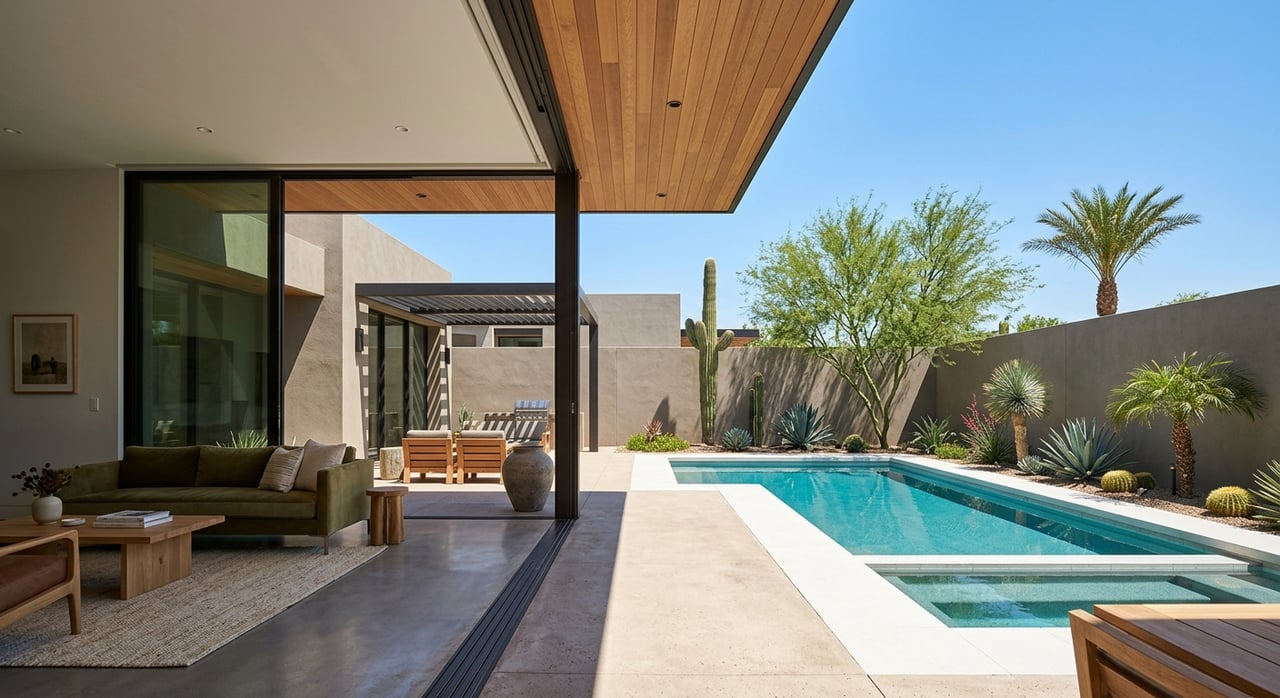
Great PV estates dissolve the line between inside and out. Large operable glazing systems, such as stacking or sliding walls, open main rooms directly to covered terraces. This creates flexible, multi-season living areas that feel generous without adding conditioned square footage. Manufacturers and local builders document growing use of high-performance retractable wall systems in luxury homes. Retractable glass wall design trends
Comfort is managed with layered shade and air movement. Covered patios with ceiling fans, adjustable louvered structures, and motorized screens help modulate afternoon heat and evening breezes. Well-planned thresholds let you enjoy the views while keeping glare and heat at bay.
Pools that perform and conserve
Luxury pools in PV are about experience and outlook, not just size. Popular choices include lap and exercise pools, negative-edge designs that extend toward views, expanded tanning ledges for lounging, and integrated spas for resort-style evenings. These compositions focus on framing the landscape while delivering daily utility. Arizona pool design trends
Water stewardship is essential. Desert pools lose significant water to evaporation. A modern cover, including automatic safety or solar options, can reduce evaporation by about 90 percent compared with an uncovered pool. Variable-speed pumps, automation, and efficient filtration help cut energy use and stabilize chemistry, which reduces waste and operating cost. Pool evaporation and conservation tips
For equipment, variable-speed pumps are now best practice and can materially lower energy draw versus single-speed units. Planning for automation at the outset makes daily management easier and more precise. Variable-speed pool pump guidance
Outdoor kitchens and courtyards
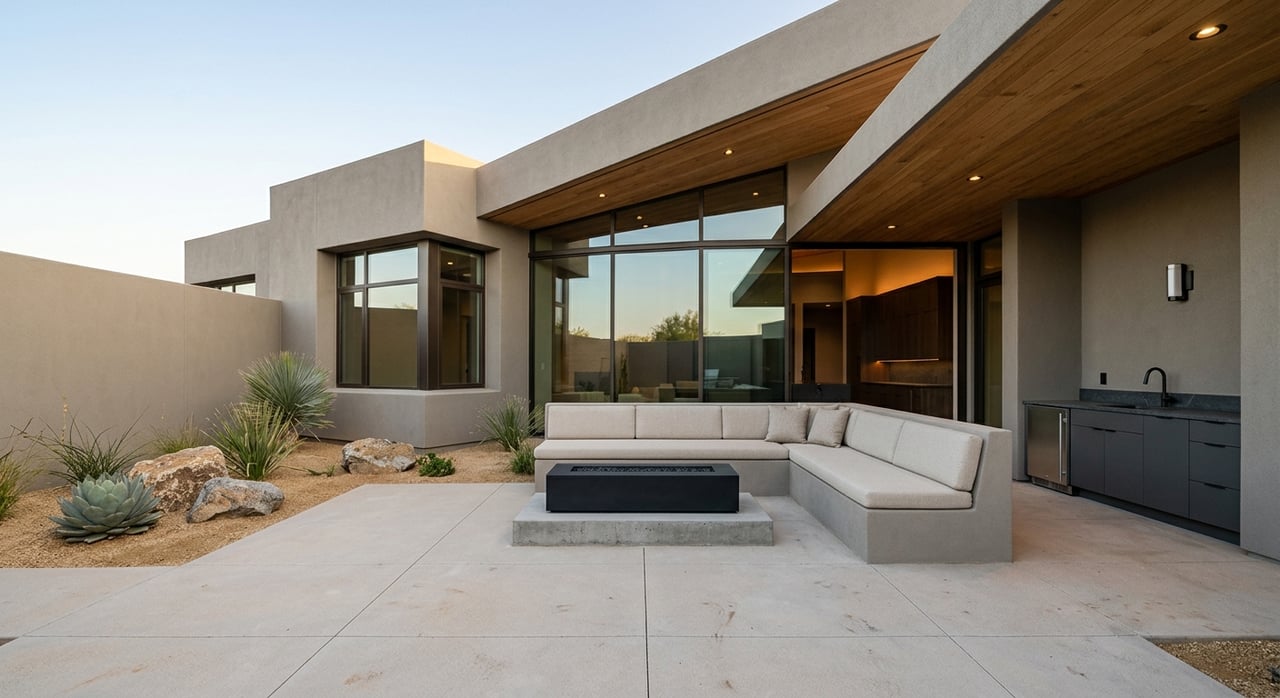
Today’s outdoor kitchens function like true extensions of the home. Built-in grills, refrigerators, warming drawers, and pizza ovens are common, along with integrated lighting and audio for evening use. Select durable finishes that handle UV and heat, such as stainless appliances and porcelain or sealed stone counters. Position the kitchen where shade, airflow, and proximity to indoor prep spaces make entertaining effortless.
Courtyards are a distinct Paradise Valley advantage. These protected outdoor rooms add privacy, buffer wind, and reduce east and west sun exposure on glass. They also align with Town priorities to preserve view corridors and open space while giving you a cool microclimate for morning coffee or evening dining.
Materials and envelope choices
Hardscape that stays cool
Choose light-colored, textured surfaces that reflect heat and feel comfortable underfoot in the afternoon sun. Travertine has long been favored around pools for its relatively cool performance, and high-quality porcelain pavers deliver similar cooling with lower maintenance. Prioritize slip-resistant textures for safety, and reserve dark, polished stone for shaded areas or accents. Hardscape materials for hot climates
Glazing that manages solar gain
In hot-sun environments, specify low solar heat gain coefficient glazing with low-e coatings to reduce heat while preserving visible light and views. Multi-pane units with gas fill and thermally broken frames are common in high-end PV projects because they reduce cooling loads and glare. Energy-efficient window specs
Roofs and exterior surfaces
Cool roofs and high-reflectance exterior finishes are proven to reduce cooling demand and help mitigate heat islands. If you plan for solar, coordinate roof systems and airflow while using reflective or cool-colored tiles or coatings where appropriate. Overview of cool roof benefits
Landscape strategy that lasts
Lean into curated xeriscape principles. Group drought-tolerant plants in irrigation zones that match their water needs, size shade strategically to cool hardscape and glazing, and factor pool evaporation into your annual water plan. The Town encourages drought-tolerant landscaping and protection of natural washes, so your design can deliver privacy and seasonal comfort while respecting local policy.
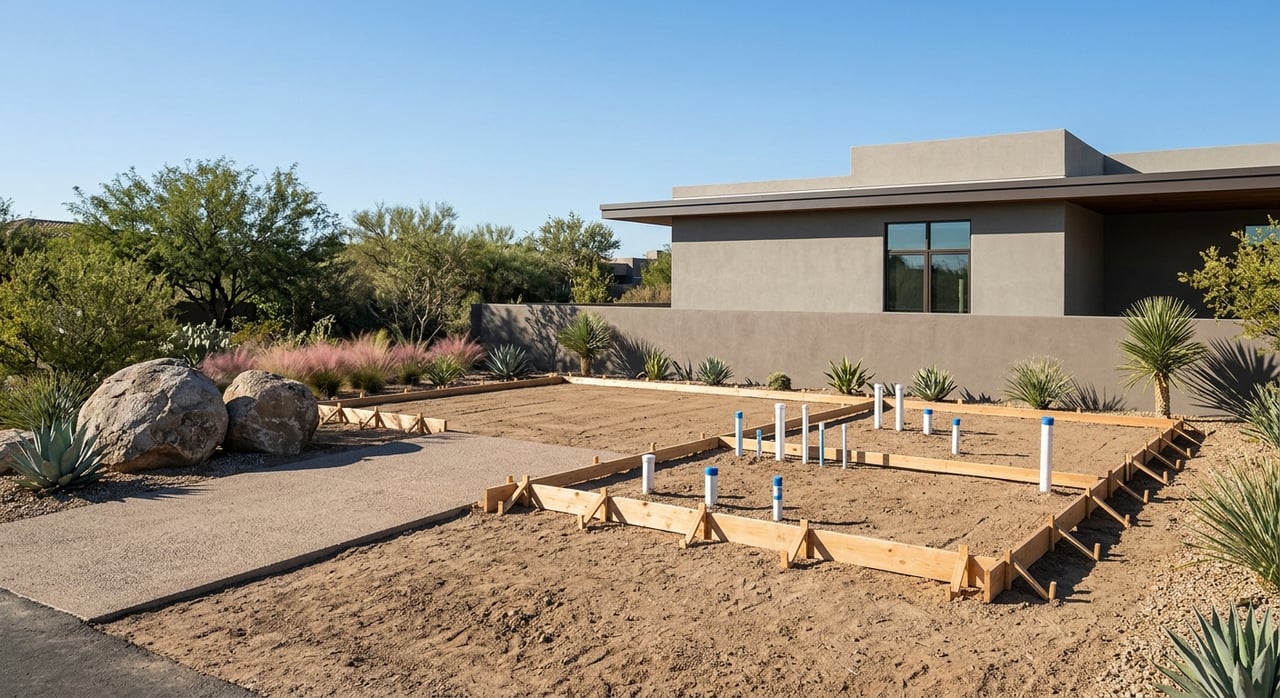
For day-to-day livability, integrate smart irrigation controls, LED landscape lighting, and pre-planned conduit for future features like EV charging, battery backup, or additional lighting. Doing this during a remodel protects your hardscape and saves time later.
Low-impact upgrades with outsized return
You can make meaningful improvements without a full rebuild. Consider these targeted moves:
- Add shade structures where you live most. Retractable awnings, louvered pergolas, or extended roof overhangs improve comfort quickly and protect finishes. Operable wall and shade trends
- Upgrade main openings to thermally efficient stacking or sliding glass walls that connect living areas to covered patios. The result is daily indoor-outdoor ease.
- Re-deck pool surrounds with light, textured travertine or porcelain pavers and incorporate an automatic pool cover to cut evaporation and keep surfaces cooler. Hot-climate hardscape guidance
- Install a variable-speed pool pump with automation for runtime and chemistry control. You reduce energy, noise, and maintenance headaches. Variable-speed pump guidance
- Design planting with drought-tolerant groupings and smart irrigation to minimize water use while enhancing privacy and shade.
Plan for long-term value
At the luxury level, buyers consistently prioritize wellness, sustainability, energy efficiency, and turnkey outdoor living. In Paradise Valley, that translates to shaded outdoor rooms, efficient pools, resilient materials, and windows and roofs that beat the heat while showcasing mountain views. If you align design with climate, policy, and daily life, you protect both enjoyment and resale.
If you are weighing a remodel or planning a sale, align early on design, permitting, and market positioning. For discreet guidance on where to invest and how to present your estate for a premium outcome, connect with Brad Qualley. Request a Confidential Home Valuation.
FAQs
What pool features are popular in Paradise Valley luxury homes?
- Lap and exercise pools, negative-edge designs that extend toward views, tanning ledges for lounging, and integrated spas are common because they balance daily use with visual impact.
How do you reduce pool evaporation in the Sonoran Desert?
- Use a modern pool cover. An automatic safety or solar cover can reduce evaporation by about 90 percent compared with an uncovered pool. Pair it with automation and efficient pumps for added savings.
What hardscape materials stay cooler around pools?
- Light, textured surfaces such as travertine or high-quality porcelain pavers reflect heat and feel more comfortable underfoot than dark, polished stone in direct sun.
Which window specs help with summer heat in Paradise Valley?
- Look for low SHGC glass with low-e coatings, multi-pane assemblies with gas fill, and thermally broken frames to reduce solar gain while preserving views.
How do town policies affect luxury home design in Paradise Valley?
- The Town emphasizes low-density character, view preservation, and wash protection. These policies influence massing, orientation, and landscape plans, especially on hillside or wash-adjacent lots.
How can outdoor kitchens handle heat and UV?
- Choose stainless appliances, porcelain or sealed stone counters, and place the kitchen in shade with airflow. Integrate lighting and controls so evening use feels seamless year-round.
What defines Desert Contemporary style in PV?
- Low horizontal massing, deep shaded overhangs, large operable glass walls, and a warm, natural material palette that frames mountain vistas while performing in intense sun.