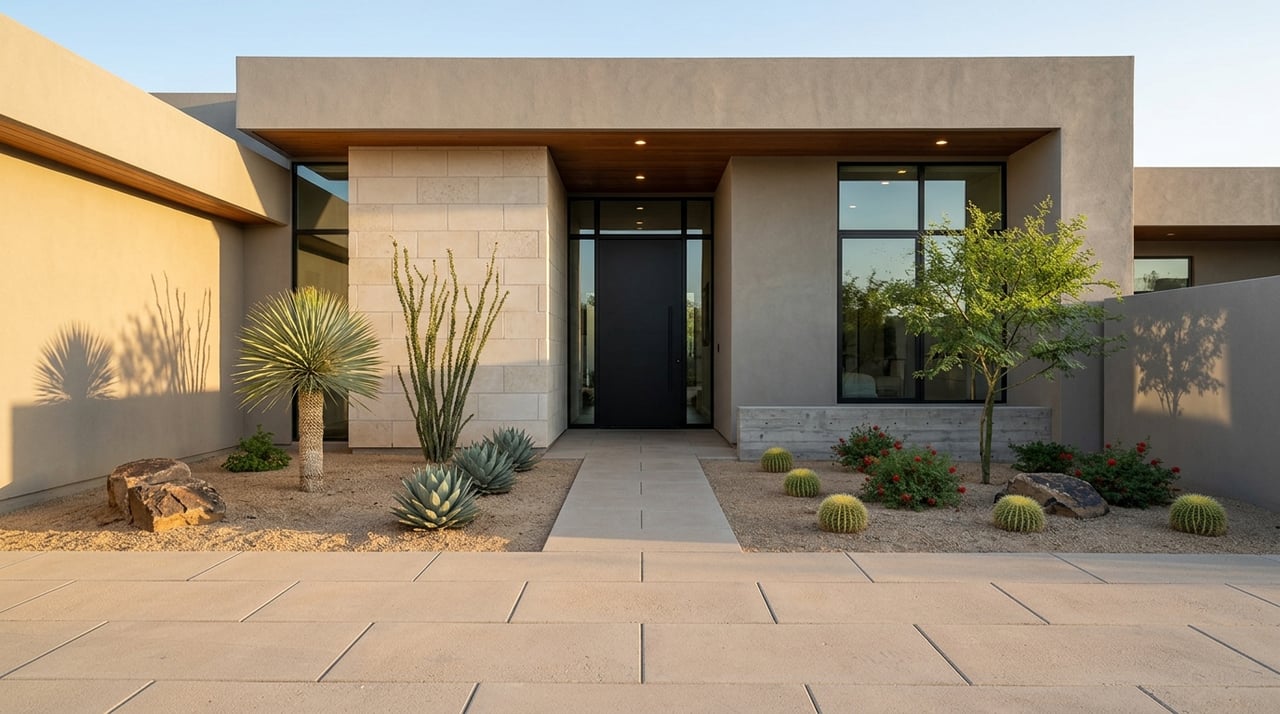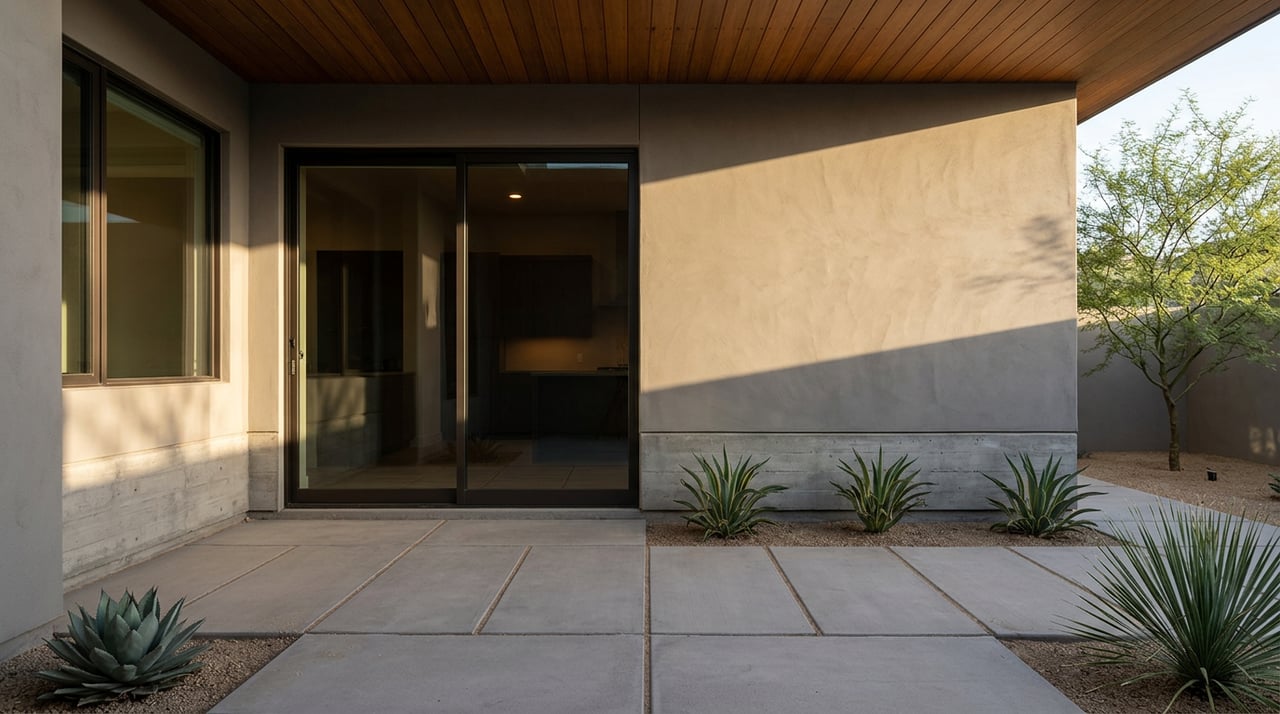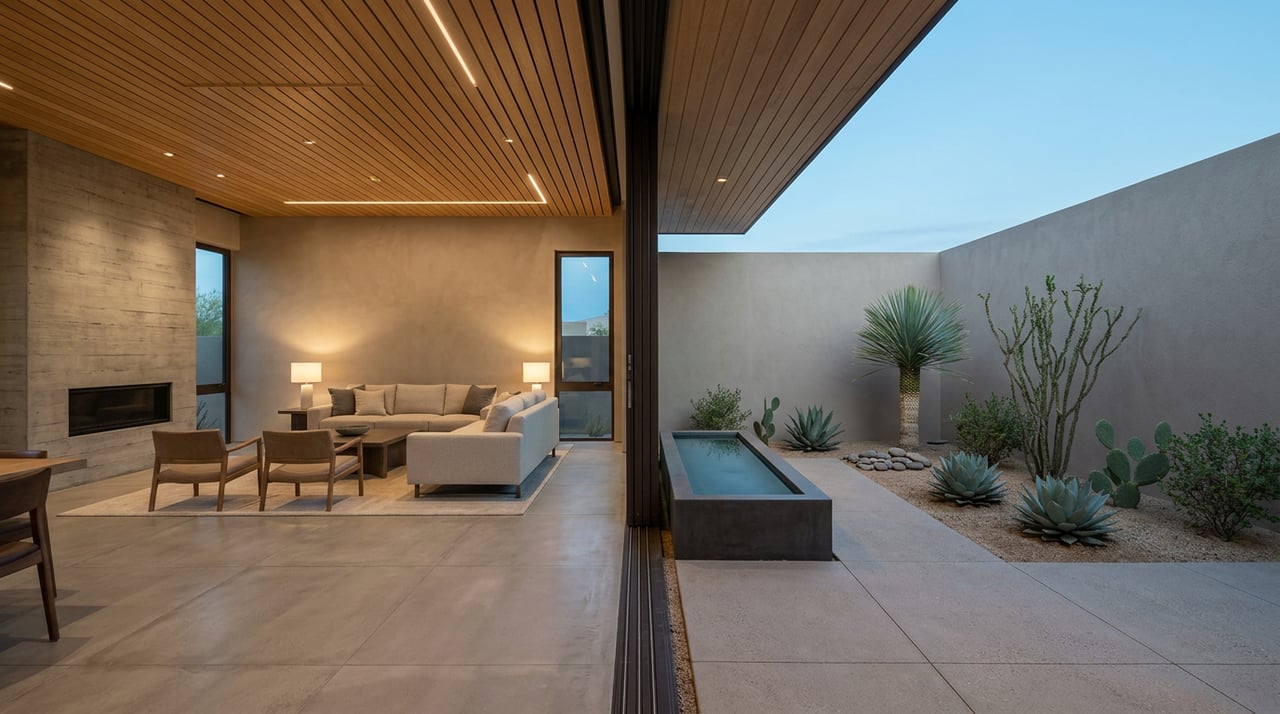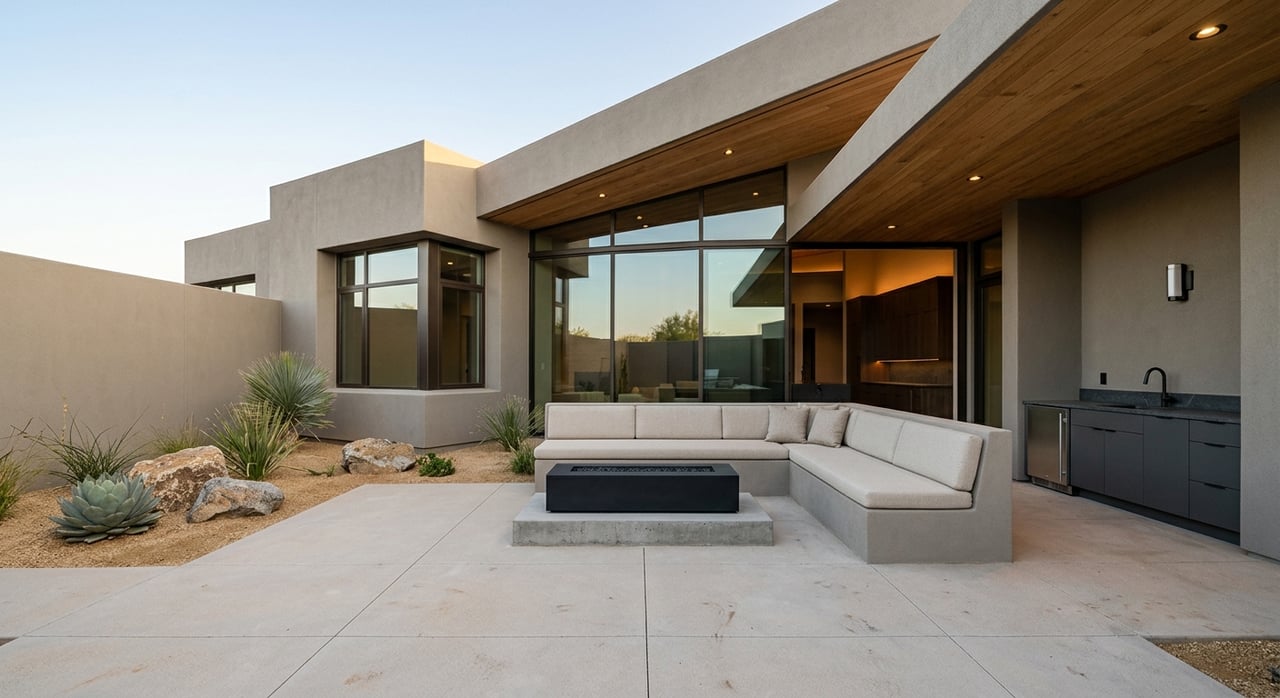
If you are selling at the top of Scottsdale’s market, a standard listing plan can cost you time, leverage, and attention from the right buyers. The upper luxury tier is not just a pricier version of the broader market. It is a smaller, more selective segment where buyers move carefully, compare closely, and expect a high level of presentation and strategy. This guide explains how listing strategy changes in Scottsdale’s upper luxury tier, so you can make sharper decisions around pricing, preparation, marketing, and negotiation. Let’s dive in.
Scottsdale Luxury Is Its Own Market
Scottsdale’s upper luxury tier operates like a distinct micro-market, not a simple extension of the citywide average. In February 2026, Redfin reported a citywide median sale price of $1.0M, 56 median days on market, a 96.8% sale-to-list ratio, and price drops on 30.7% of listings. Scottsdale REALTORS’ January 2026 figures also reflected a more balanced environment, with 5.61 months of inventory, a 96.7% sold-to-list ratio, and 57 median days on market.
At the luxury level, the numbers shift. The Institute for Luxury Home Marketing placed Scottsdale’s March 2026 single-family luxury benchmark at $2.4M, with a median sold price of $1.875M, 45 days on market, and a 20.1% sales ratio, which it classifies as balanced. That matters because a balanced luxury market usually rewards precision, not optimism.
Just as important, the luxury threshold itself moves over time. ILHM’s 2025 annual review placed Scottsdale’s luxury benchmark at $2.306M, and the March 2026 report moved it to $2.4M. In other words, “luxury” is not a fixed line. It is a market-specific benchmark that should be reviewed in real time rather than assumed.
Pricing Requires More Precision
In the upper luxury tier, pricing is less about generating broad traffic and more about positioning your home inside a narrow competitive set. Buyers at this level tend to compare a small number of similar homes, often with close attention to condition, location, privacy, and finish quality. That means your asking price has to reflect where your property truly sits within that shortlist.
According to ILHM’s 2026 market report, affluent buyers are more deliberate, and turnkey homes in prime locations continue to command strong prices and sell relatively quickly. Homes that need renovation or lack current features may take longer and often need more competitive pricing. In practical terms, the premium comes from scarcity, condition, and fit with buyer expectations.
That is why overpricing tends to be more expensive at the top end. In a balanced segment, added days on market can weaken your position rather than build leverage. When the broader Scottsdale market is already showing meaningful discounting and frequent price drops, a luxury listing that starts too high may miss the best early window of buyer attention.
What Sellers Should Evaluate Before Pricing
Before setting a list price, it helps to look beyond basic square footage and bedroom count. In upper luxury, buyers often weigh qualitative features just as heavily as hard metrics.
Key pricing inputs may include:
- Overall condition and whether the home feels move-in ready
- Privacy, security, and lot orientation
- Indoor-outdoor flow and usability
- Smart-home integration and modern systems
- Architecture, finish level, and design cohesion
- The depth of competing inventory near your price point
A disciplined pricing strategy should account for how your property compares to the few homes a serious buyer will also consider.
Staging Needs To Prove Lifestyle
At lower price points, staging often focuses on making a home look clean, bright, and presentable. In Scottsdale’s upper luxury tier, the goal is more specific. The home needs to feel architecturally clear, emotionally calm, and ready for the lifestyle a buyer expects.
The National Association of REALTORS® 2025 Profile of Home Staging found that 83% of buyers’ agents said staging made it easier for buyers to visualize a property as a future home. It also found that staging affected some buyers according to 60% of agents and affected most buyers according to 26%. The most commonly staged rooms were the living room, primary bedroom, and dining room.
Luxury buyer preferences add another layer. ILHM reports that today’s affluent buyers prioritize privacy, security, wellness, flexibility, smart-home features, and seamless indoor-outdoor living. For sellers, that means staging should support those expectations. Rooms should feel intentional, outdoor areas should read as usable living space, and the overall presentation should suggest that the home is turnkey rather than a project.
What Luxury Staging Often Emphasizes
Effective upper-tier staging usually focuses on restraint and function. The aim is not to fill the home with decor. It is to help buyers understand the home quickly and imagine using it with ease.
That often means:
- Reducing personal artifacts and visual noise
- Clarifying room purpose where layouts are flexible
- Highlighting key entertaining and wellness spaces
- Making patios, pool areas, and view corridors feel integrated
- Presenting the home as polished and move-in ready
In Scottsdale, where architecture, desert views, and outdoor living often carry real value, those details can influence how buyers interpret the asking price.
Marketing Must Be More Controlled
Luxury marketing is not just about broader exposure. It is also about intentional distribution. In the upper luxury tier, privacy, timing, and the flow of property information can be just as important as reach.
That is especially relevant because ARMLS now offers media visibility settings that allow listing media to be marked Public, Private, or Private While Off-Market. Public media can syndicate to IDX and other web feeds, while Private media remains visible only within ARMLS. ARMLS notes that these options help address homeowner privacy concerns, particularly when sellers do not want off-market photos to remain visible across public websites.
ARMLS also states in its data integrity guidelines that open-house information is not allowed in Public Remarks and gate codes cannot appear in public, private, or semi-private remarks. For high-value properties, that means listing content should be structured carefully. What appears publicly, what stays in MLS, and what is shared only with qualified parties should all be planned in advance.
Why Reach Still Matters Beyond Scottsdale
Controlled marketing does not mean narrow marketing. Scottsdale’s buyer pool extends well beyond local demand. Redfin migration data for October through December 2025 showed the strongest inbound search interest coming from Chicago, Seattle, and Los Angeles, followed by Dallas, San Francisco, Las Vegas, Portland, Denver, Washington, D.C., and New York.
That suggests upper luxury marketing should account for relocation and second-home demand, especially as the buyer pool narrows at higher price points. The right strategy often combines polished public presentation with careful control over sensitive details.
Negotiation Shifts To Certainty And Terms
In the upper luxury tier, negotiations often revolve around certainty, timing, and asset quality, not just headline price. ILHM’s 2025 Luxury Market Review found that cash purchases dominated the luxury market, giving buyers added liquidity and negotiating power. The same report described luxury buyers as deliberate and selective, with a clear divide between homes that align with current expectations and those that do not.
In Scottsdale, that lines up with a luxury segment that is balanced rather than driven by bidding wars. When days on market are measured in weeks and buyers have choices, sellers usually need to negotiate from a position of preparation. That includes price discipline, inspection readiness, a clear plan for disclosures, and thoughtful handling of timing and privacy terms.
Strong Luxury Negotiation Starts Before Launch
Many upper-tier sellers think about negotiation only after an offer arrives. In reality, the strongest negotiating position is often built before the home ever hits the market.
That may include:
- Pricing within a realistic competitive band
- Preparing the property to reduce buyer objections
- Organizing documentation early
- Deciding what marketing assets should remain private
- Planning acceptable timing and occupancy scenarios in advance
This is where fiduciary discipline matters. On a high-value property, small errors in positioning or contract strategy can have outsized financial consequences.
Why The Strategy Shift Is Structural
The biggest takeaway is simple: the strategy change in Scottsdale’s upper luxury tier is not cosmetic. It is structural. The benchmark moves, the buyer pool narrows, decision cycles lengthen, and the penalty for weak execution grows.
A seller in this segment usually needs more than a generic launch plan. You need pricing that reflects a narrow luxury comp set, staging that supports how affluent buyers evaluate livability, marketing that balances reach with privacy, and negotiation that protects certainty as much as price.
If you are preparing to sell a high-value home, estate parcel, or view property in Scottsdale, tailored guidance can make a meaningful difference. For confidential advice on pricing, positioning, and marketing strategy, connect with Brad Qualley.
FAQs
What price range counts as Scottsdale’s upper luxury tier?
- According to The Institute for Luxury Home Marketing’s March 2026 report, Scottsdale’s single-family luxury benchmark was $2.4M, though that threshold can change over time with market conditions.
Why is pricing more sensitive in Scottsdale luxury home sales?
- Luxury buyers tend to compare a small pool of similar homes very closely, so overpricing can lead to longer market time and weaker leverage in a balanced market.
How does staging differ for upper luxury homes in Scottsdale?
- Upper luxury staging focuses less on basic presentation and more on showing privacy, functionality, indoor-outdoor living, and a move-in-ready lifestyle.
Can Scottsdale luxury sellers control what listing media appears online?
- Yes. ARMLS allows media to be designated as Public, Private, or Private While Off-Market, which can help sellers manage privacy and control distribution.
What matters most in Scottsdale upper luxury negotiations?
- In many cases, certainty, closing timing, inspection strategy, and privacy-related terms matter alongside price, especially because luxury buyers often move deliberately and may have strong negotiating power.