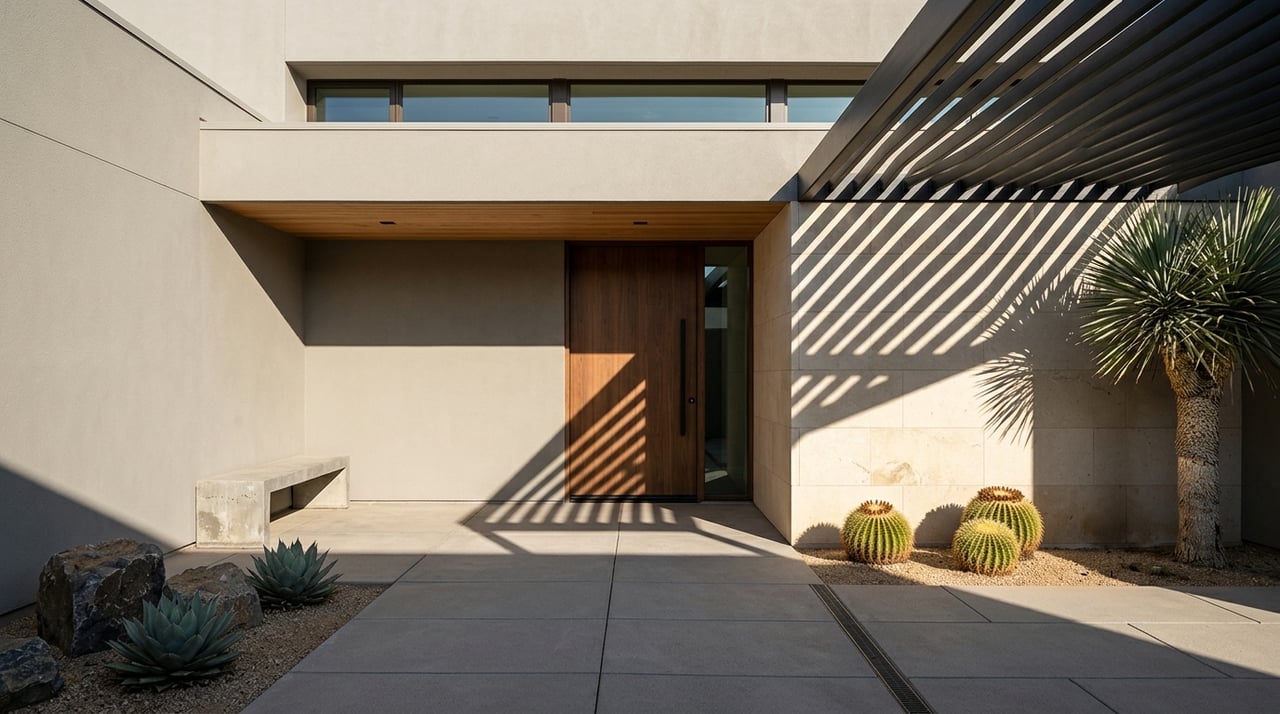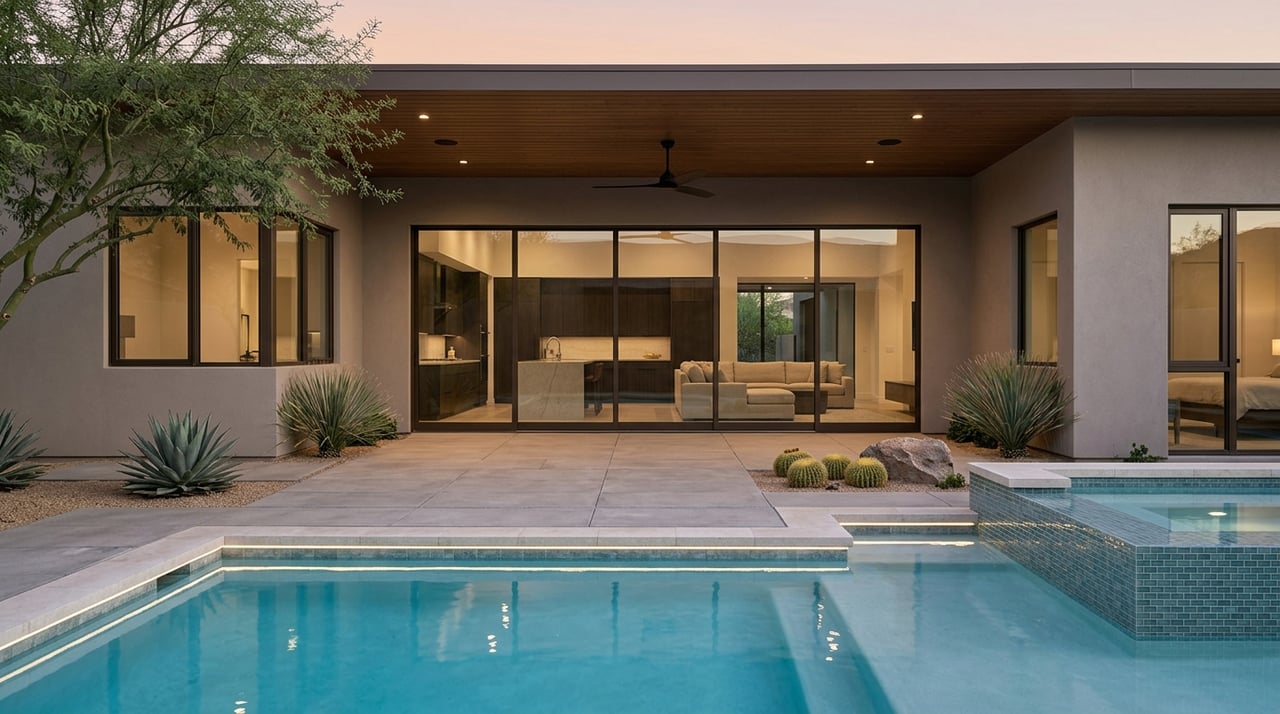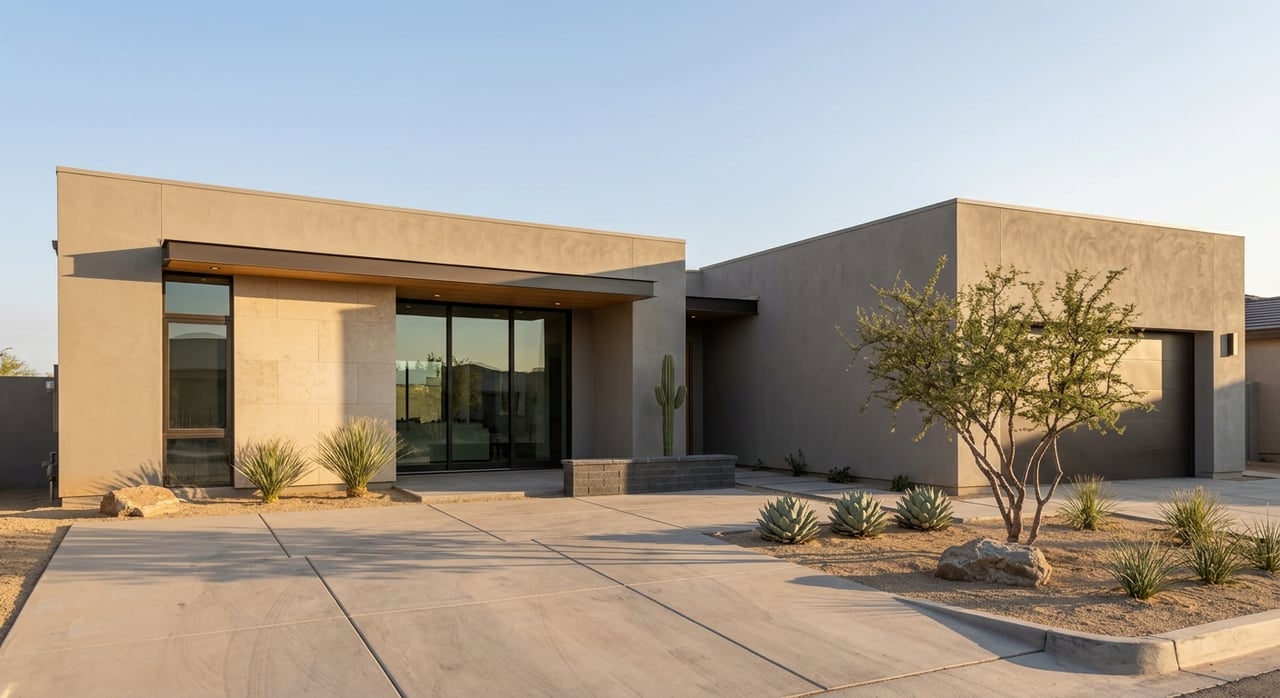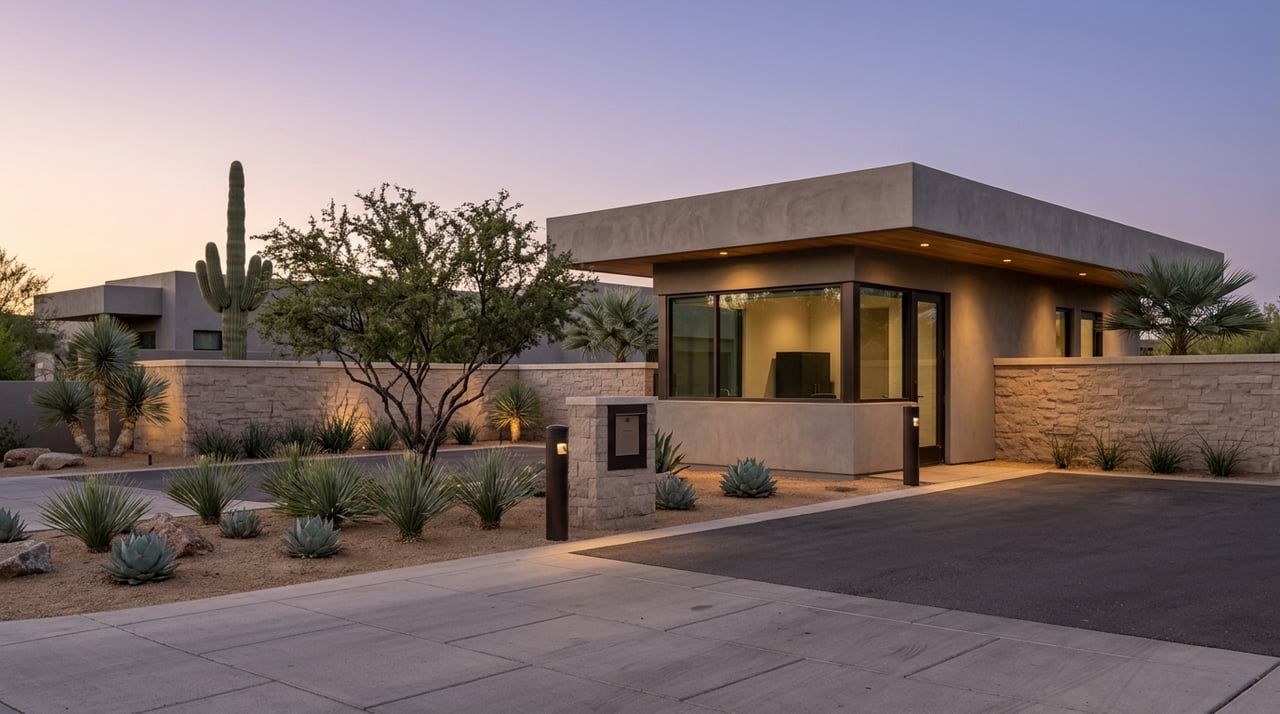
If you are thinking about selling in Paradise Valley, privacy may be one of your first priorities. In a town known for low-density residential living and estate-level homes, it is understandable to want control over who sees your property, when it is shown, and how broadly it is marketed. The good news is that you do have options, but each comes with tradeoffs in exposure, timing, and compliance. Let’s dive in.
Why privacy matters in Paradise Valley
Paradise Valley has a unique local profile that helps explain why off-market and private listing conversations are so common. According to the Town of Paradise Valley’s basic facts, the town has an estimated 12,774 residents, about 15.4 square miles of land area, and is predominantly zoned for single-family housing.
That small-scale, primarily residential setting often aligns with seller goals like discretion, controlled access, and a more measured launch strategy. If you own a custom estate, view property, or architecturally distinctive home, you may want to reduce casual traffic and keep your transition private while you prepare for sale.
What off-market means today
In everyday real estate language, terms like off-market, pocket listing, and whisper listing are often used loosely. In practice, they usually refer to a home that is not publicly marketed or is not entered into the MLS.
A useful comparison comes from a Bright MLS study on on-MLS and off-MLS listings, which explains that office exclusives are typically listings where the seller directs the broker to market the property only within the brokerage and not place it in the MLS. The study notes that this approach is often used when sellers have privacy concerns.
In Paradise Valley, that can sound appealing. Still, the details matter because ARMLS and NAR rules set clear limits on what can stay private and when a listing must be submitted to the MLS.
How office exclusives work in ARMLS
In ARMLS, an office exclusive is a listing where the owner chooses to defer filing with ARMLS for a delay period or for the entire listing. According to the ARMLS IDX policy, this requires written owner authorization stating that the seller does not want the listing disseminated.
That written direction is not just a formality. It is a compliance requirement, and office exclusive listings still must follow Clear Cooperation rules. NAR’s 2025 MLS policy updates also reinforce the need for seller-signed disclosure for office exclusive or delayed-marketing exempt listings.
For you as a seller, that means a true private listing strategy needs to be intentional, documented, and handled carefully. It is not simply a matter of choosing not to post your home online.
What triggers public marketing
This is one of the most important parts of the conversation. Under NAR’s Clear Cooperation Policy, once a property is publicly marketed, it must be submitted to the MLS within one business day.
Public marketing can include:
- A yard sign
- A public-facing website
- A brokerage website display
- An email blast
- A multi-brokerage listing network
ARMLS applies the same standard and specifically notes that private listing networks outside the brokerage count as public advertising. So if your goal is a truly private phase, your marketing plan has to stay within those rules from day one.
Private listing options you may consider
If privacy is a top concern, your options generally fall into a few categories under current ARMLS rules.
Office exclusive
This is the most private path. The seller gives written authorization not to disseminate the listing through ARMLS, and the property can be marketed only within the broker’s firm, subject to applicable rules.
This approach may make sense if your main priority is discretion. It can also help limit broad public attention while you evaluate interest.
Coming Soon
ARMLS allows a Coming Soon status for listings that are otherwise required to be filed. The listing must have an executed listing agreement, can remain in Coming Soon for up to 30 days, and automatically converts to Active on day 31.
This option can work well if you want a controlled runway before full market exposure. It may give you time to finalize staging, photography, or access plans while still staying within the MLS framework.
Temporarily Off Market
ARMLS also recognizes Temporarily Off Market status in certain situations when the seller has given written permission. ARMLS can request that written permission at any time.
This status is more relevant when a listing is already in the MLS and needs to pause public activity for a period. It is not the same as a private launch, but it can support flexibility when plans change midstream.
How media privacy controls can help
Privacy is not only about whether a listing appears in the MLS. It can also involve what the public sees.
ARMLS now offers media privacy controls that allow listing media to be marked Public, Private, or Private While Off-Market. Private media are visible only in ARMLS. Private While Off-Market media remain public while the home is on market and become ARMLS-only when the property goes off market.
There is one important local rule to keep in mind: ARMLS states that primary photos must remain public while the listing is on market. For sellers who want a more discreet digital footprint, these settings can still be useful, but they are not a complete shield from visibility.
The main benefits of a private launch
A limited-exposure strategy can be a good fit when your priorities go beyond maximum visibility. In Paradise Valley, that often comes down to privacy, security, and presentation control.
Potential benefits include:
- Reducing casual traffic and unqualified showings
- Controlling the timing of your launch
- Preserving privacy during a family, estate, or lifestyle transition
- Refining pricing, photography, or staging before wider exposure
- Testing early interest in a more discreet way
For certain sellers, that kind of measured start can feel more aligned with how they want to handle a high-value transaction.
The tradeoffs you should weigh carefully
Privacy can be valuable, but it is not free. The most important tradeoff is usually exposure.
The Bright MLS study found that homes sold on the MLS had a 16.98% higher median sale price than off-MLS homes, and that office exclusives that later moved to the MLS took longer to reach contract than homes listed on the MLS from the start. The same study also found that 63% of office exclusives eventually moved onto the MLS.
That study is from another market, so you should not assume the exact numbers will match Paradise Valley. Still, it strongly supports the broader point: more privacy often means less exposure, and less exposure can affect price discovery, buyer competition, and timing.
There is also a market transparency issue. When a home never reaches the MLS, buyer access narrows and the data available to agents and appraisers becomes thinner. That can make comp analysis and pricing support more difficult, especially for distinctive estate properties.
When private exposure may make sense
A private or limited-exposure approach may be worth considering when your priorities are:
- Privacy and discretion
- Security and access control
- Time to prepare the home before a full launch
- A quieter transition for personal or estate reasons
- A measured introduction for a unique property
In a place like Paradise Valley, those goals are easy to understand. The town’s low-density residential character and concentration of luxury homes make privacy-oriented selling strategies more relevant than in many other markets.
When a full MLS launch may be stronger
A standard MLS launch is often the better choice when your top goal is reaching the broadest possible buyer pool. More exposure can create more competition, improve price discovery, and leave a clearer data trail for valuation and appraisal support.
If your objective is to maximize market visibility from the start, the MLS remains the strongest framework for broad cooperation and buyer access. NAR’s policy direction continues to reflect that emphasis on equal access to listing information and market transparency.
Choosing the right strategy for your goals
The right answer is rarely one-size-fits-all. In many Paradise Valley sales, the better question is not “Should I go off-market?” but “What balance of privacy, exposure, and timing best fits my situation?”
That is where disciplined guidance matters. A seller considering an office exclusive, Coming Soon period, or limited-exposure launch needs careful handling of written authorizations, compliance steps, media settings, and timing decisions. If you are selling an estate-level property, those choices can shape not only privacy, but also leverage, negotiating position, and final outcome.
If you want to evaluate whether a private launch, a staged MLS rollout, or a full public debut makes the most sense for your property, Brad Qualley offers the kind of discreet, detail-driven guidance that high-value Paradise Valley transactions often require.
FAQs
What is an off-market listing in Paradise Valley?
- An off-market listing generally refers to a property that is not publicly marketed or not entered into the MLS, often to preserve privacy or control exposure.
What is an office exclusive listing in ARMLS?
- In ARMLS, an office exclusive is a listing where the seller gives written authorization to defer filing with ARMLS for a period of time or for the full listing term, subject to Clear Cooperation rules.
What triggers MLS submission under Clear Cooperation?
- Public marketing such as a yard sign, public website, brokerage website display, email blast, or multi-brokerage network can trigger the requirement to submit the listing to the MLS within one business day.
How long can a Coming Soon listing stay in ARMLS?
- ARMLS allows Coming Soon status for up to 30 days, after which the listing automatically converts to Active on day 31.
Are private listings always better for luxury homes in Paradise Valley?
- No. A private listing may support privacy and control, but a full MLS launch is often stronger when your goal is broad buyer exposure, stronger price discovery, and wider competition.
Can listing photos stay private in ARMLS?
- ARMLS allows some media to be marked Private or Private While Off-Market, but primary photos must remain public while the listing is on market.