Imagine stepping onto a desert trail before sunrise, saguaro silhouettes against a pink sky. If you are exploring homes in North Scottsdale, living near the McDowell Sonoran Preserve can shape your days in meaningful ways. In this guide, you will learn how trail access, views, rules, safety, and practical buyer checks translate to daily life. Let’s dive in.
Preserve basics
The McDowell Sonoran Preserve is a protected open space on Scottsdale’s north and northeast edge. It is managed by the City of Scottsdale with stewardship and education supported by the McDowell Sonoran Conservancy. The preserve spans roughly 30,000 acres and includes an extensive multi-use trail network. For the latest maps, rules, and updates, start with the City’s official preserve page and the Conservancy’s site.
- City of Scottsdale: McDowell Sonoran Preserve overview
- McDowell Sonoran Conservancy: programs, maps, and stewardship
Trails and trailheads
You will find well over 100 miles of hiking, mountain biking, and equestrian trails, ranging from easy loops to challenging ridgelines. Popular trailheads include Gateway, Lost Dog Wash, Brown’s Ranch, and access to Thompson Peak. Facilities vary by site, but most offer parking, restrooms, trail signage, and shaded areas.
Natural environment and views
Expect classic Sonoran Desert scenery with saguaro, palo verde, brittlebush, and granite outcrops. Ridgelines frame wide desert and city-light views that shift with sunrise and sunset. Wildlife sightings can include mule deer, javelina, coyotes, songbirds, raptors, and rattlesnakes. Sightings vary by season and time of day.
Daily rhythms and lifestyle
Most residents fit outdoor time into early mornings and late afternoons for comfortable temperatures. In summer, activity shifts to pre-dawn and dusk to avoid extreme heat. Weekends and holidays draw more visitors, while weekday mornings are calmer and easier for routine exercise.
When trails are busiest
Peak seasons are late fall, winter, and early spring. You will notice more cars at major trailheads during holiday weeks and event weekends. If you prefer quiet time on the trails, aim for weekday dawn starts or explore less-trafficked connectors.
Outdoor culture and volunteerism
Many nearby homeowners join Conservancy-led guided hikes, trail cleanups, and educational events. It is a community where stewardship and fitness overlap, and it is easy to meet neighbors who share your interests. Explore opportunities on the Conservancy’s site to find hikes, talks, and volunteer roles.
Trail access near your home
Trail proximity varies by neighborhood and even by lot. Some homes use neighborhood connectors to reach the preserve on foot. Others require a short drive to trailheads with larger parking lots and facilities.
Direct access vs. short drive
Direct access can mean a private gate, a public easement, or a short sidewalk connection. A few minutes’ drive expands your options across multiple trailheads and difficulty levels. The degree of adjacency affects privacy, trail noise, and how often you use the trails.
Parking and traffic impacts
Expect fuller lots at Gateway, Brown’s Ranch, and other major trailheads on busy weekends. Homes adjacent to those access points may notice more cars, cyclists, and early morning arrivals. If parking spillover is a concern, visit during peak times to see real conditions.
Home types and market signals
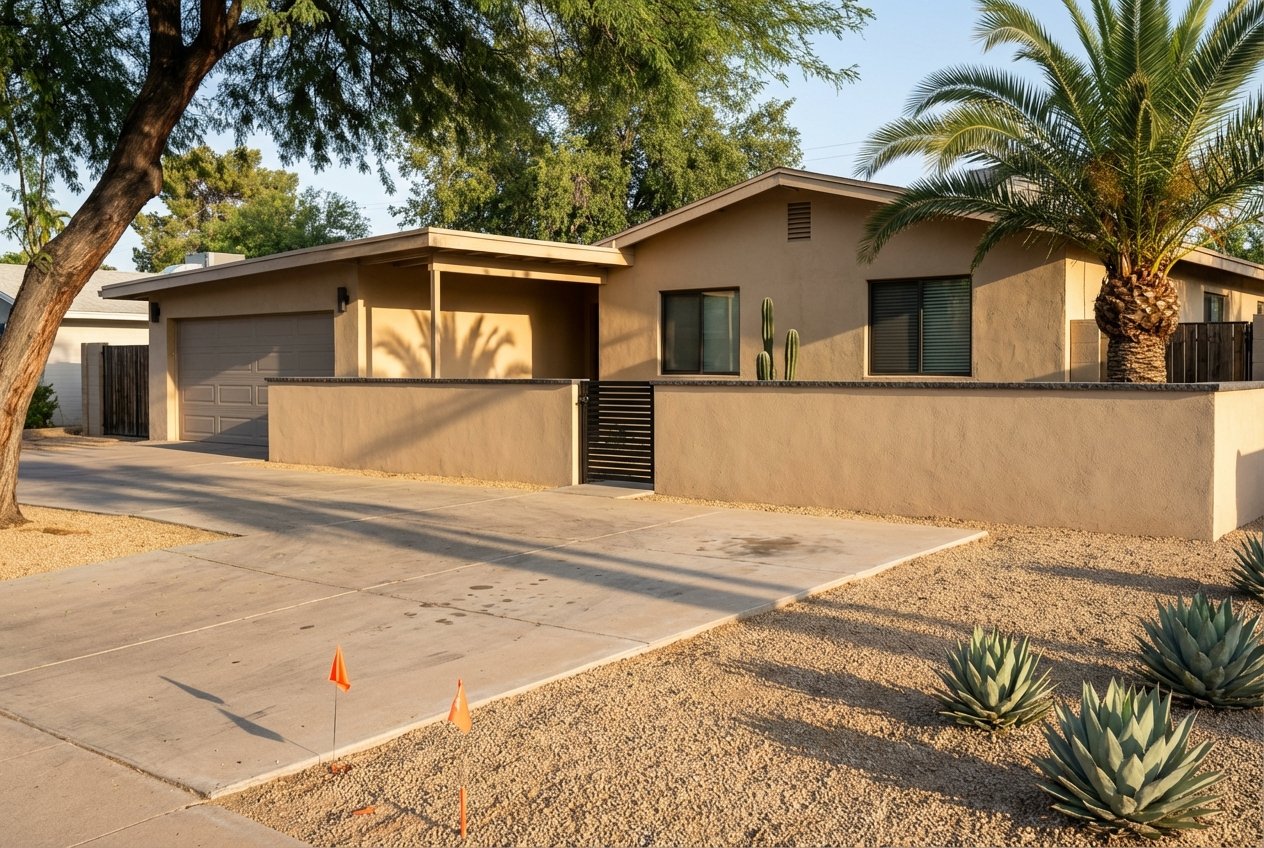
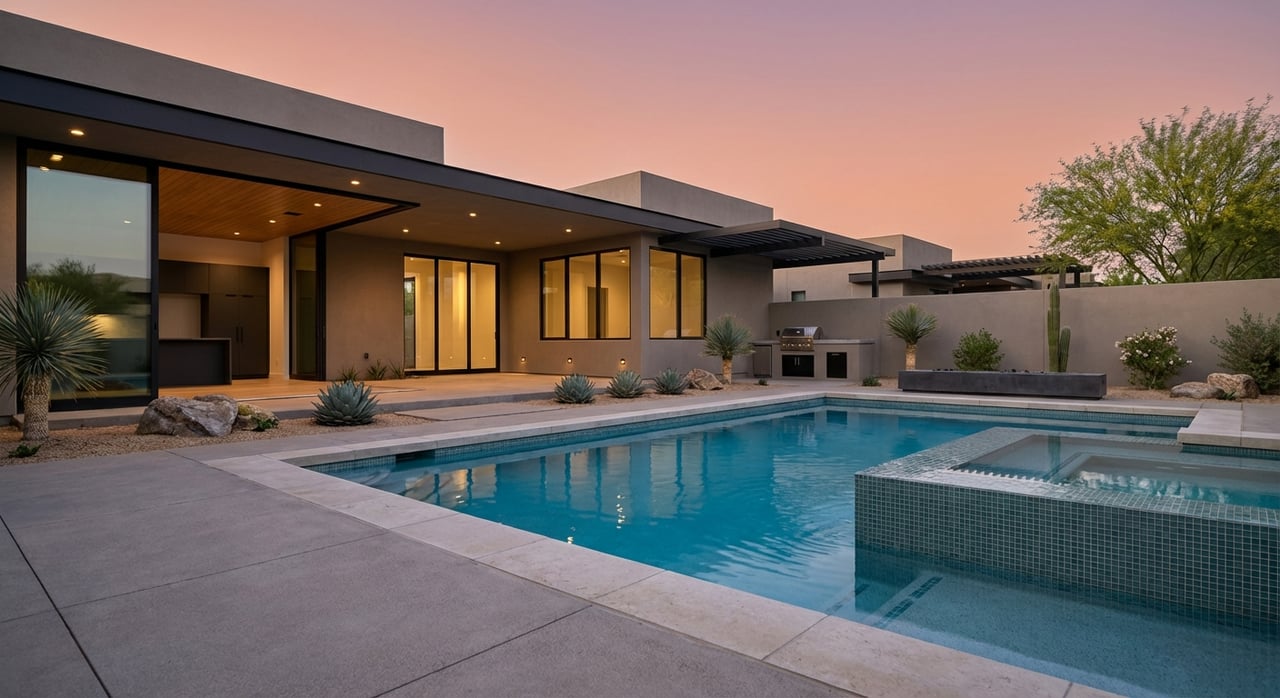
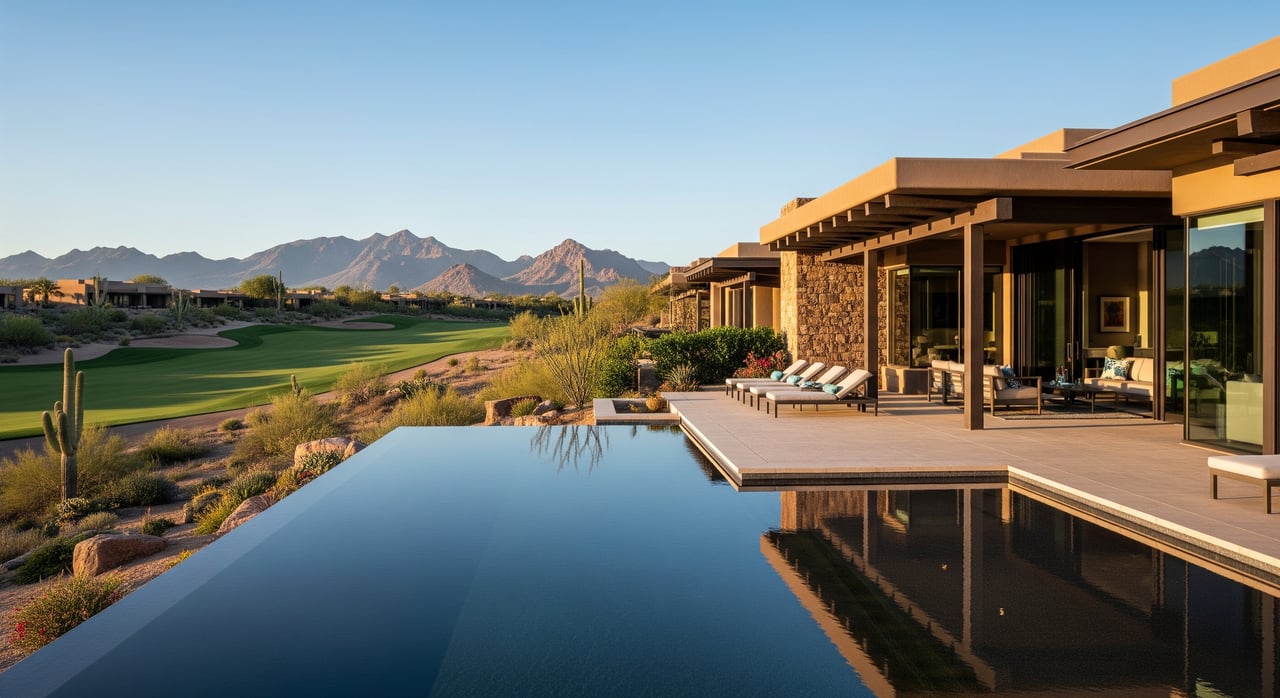
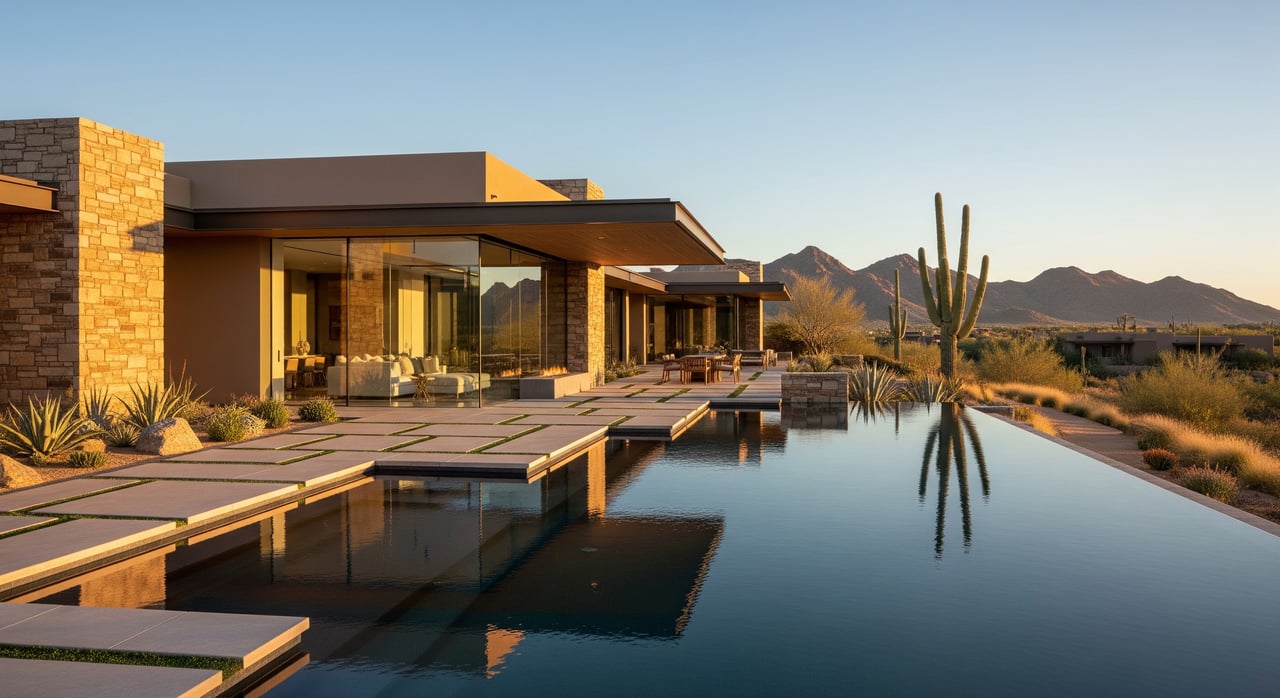
Near the preserve, you will see custom estates, gated and golf communities, planned subdivisions, townhomes, and some larger-lot properties farther north. Buyers often value privacy, mountain views, and easy recreation. That demand can support premiums for lots with unobstructed view corridors and reliable trail access.
What drives premiums
Protected open space, long sightlines, and minimal future development risk are key drivers of value. Homes that preserve views and provide convenient access generally enjoy stronger demand. The size of any premium depends on supply, lot size, neighborhood design, and the quality of the view.
Resale appeal
Resale tends to be strong where views are protected and trail access is dependable. If you plan to sell in the future, invest in choices that align with neighborhood rules and preserve the property’s long-term appeal.
Practical buyer checks
Before you commit, take a practical look at the details that shape daily life and long-term value.
- Confirm access. Determine whether a property has legal trail access via a private gate, a public easement, or a connector. Your title report and plat map should make this clear.
- Review HOA documents. CC&Rs, design guidelines, and lighting rules can protect views and neighborhood character. Understand the architectural review process before planning changes.
- Evaluate terrain and washes. Walk the lot to identify washes and natural drainage. Plan for seasonal storms and avoid assumptions about future landscaping.
- Ask about trailhead use. Visit on weekday mornings, weekend middays, and at dusk to assess parking, traffic, and noise.
- Check wildfire considerations. Understand defensible space, xeriscaping choices, and proximity to fire response.
- Price insurance early. Premiums can vary with wildfire risk and building materials. Compare quotes before finalizing your budget.
- Verify utilities and easements. Look for public trail, utility, and slope easements that may limit fencing, grading, or future improvements.
Rules, safety, and desert know-how
Living next to a preserved desert means sharing space responsibly. The City manages trail rules, while the Conservancy supports maps, signage, and education. Check official updates before you head out, especially during seasonal weather shifts.
Trail rules and permits
Most preserve trails are for non-motorized use. Rules prohibit collecting plants or artifacts, and off-trail travel is limited in sensitive areas. Dogs and horses are allowed in many sections, often with leash and trail designations. For current regulations and special-use permits, review the City’s McDowell Sonoran Preserve page.
Heat and weather safety
Summer highs often exceed 100 degrees. Plan early starts, carry more water than you think you need, and shorten routes in extreme heat. For local climate and monsoon information, consult the National Weather Service Phoenix office.
Wildlife awareness
Rattlesnakes and scorpions live here. Give wildlife space, watch hand and foot placements on rocky terrain, and keep dogs close where required. For regional guidance, visit the Arizona Game and Fish Department’s wildlife resources.
Wildfire preparedness
In desert scrub, fire risk is a real consideration. Create defensible space with appropriate landscaping, clear dry brush, and understand response coverage. Learn more through the Scottsdale Fire Department.
Seasons at a glance
- Winter, Nov to Feb. Comfortable temperatures and peak trail use. Ideal for long hikes and morning routines.
- Spring, Mar to May. Wildflowers can appear after good rainfall. Temperatures rise through the season and weekends get busy.
- Summer, Jun to Sept. Very hot and often humid during monsoon. Focus on pre-dawn or dusk and avoid exposed ridgelines in storms.
- Fall, Oct. Pleasant temperatures return and outdoor activity ramps up again.
Commute, services, and daily convenience
North Scottsdale is car oriented with grocery, dining, and medical services a short drive away. Higher-end retail and restaurants cluster around central-north hubs like Scottsdale Quarter and Kierland. Access to Loop 101 plays a key role in commute times to central Scottsdale and Phoenix.
How to vet a specific property
Use a structured process that blends lifestyle checks with legal and technical review.
Visit at several times. Compare early morning, weekend midday, and dusk to see real traffic patterns and noise.
Confirm legal trail access. Look for recorded easements, private gates, and connectors on your title report and plat map. Do not rely on informal paths.
Study HOA and design rules. Review CC&Rs for exterior lighting, view protections, landscaping limits, and architectural approvals.
Check city context. Ask about trailhead hours, permitted uses, and any planned preserve enhancements. Start with the City’s preserve page for official notices.
Assess risk and insurance. Speak with your insurer about wildfire-related coverage and mitigation requirements. Pair this with Scottsdale Fire guidance.
Talk with locals. Conversations with neighbors or Conservancy volunteers can reveal typical trail usage, parking pressure, and community rhythms.
How a local advisor helps
A property near protected open space deserves careful analysis. You benefit from an advisor who reads CC&Rs with precision, confirms easements, evaluates view corridors, and understands wildfire and insurance implications. That attention to detail helps you protect lifestyle and value for the long term.
Ready to explore homes near the preserve or value a view lot you already own? Connect with Brad Qualley for discreet, fiduciary-level guidance tailored to North Scottsdale.
FAQs
What is the McDowell Sonoran Preserve and who manages it?
- It is a protected open space on Scottsdale’s north side managed by the City of Scottsdale with long-term support from the McDowell Sonoran Conservancy.
How busy are the trails near North Scottsdale homes?
- Weekends, holidays, and winter to spring are busiest, while weekday mornings and pre-dawn or dusk in summer are typically quieter.
What rules apply to dogs and horses in the preserve?
- Many areas allow dogs and horses with leash or trail designations; always confirm current rules and maps on the City’s preserve page and the Conservancy’s site.
How hot does it get and when should I hike?
- Summer highs often exceed 100 degrees, so plan pre-dawn or dusk outings, carry extra water, and check the National Weather Service Phoenix updates before heading out.
Are wildlife encounters common near preserve homes?
- Sightings vary by season and time of day; you may see deer, javelina, coyotes, raptors, and rattlesnakes, so give wildlife space and follow Arizona Game and Fish guidance.
Is wildfire a concern for homes by the preserve?
- Wildfire is a regional risk in desert scrub; create defensible space, consider xeriscaping, and review preparation tips from the Scottsdale Fire Department.
Do properties have direct trail access or private gates?
- Some do, but access varies; verify recorded easements or private gates on title and plat maps rather than relying on informal paths or assumptions.