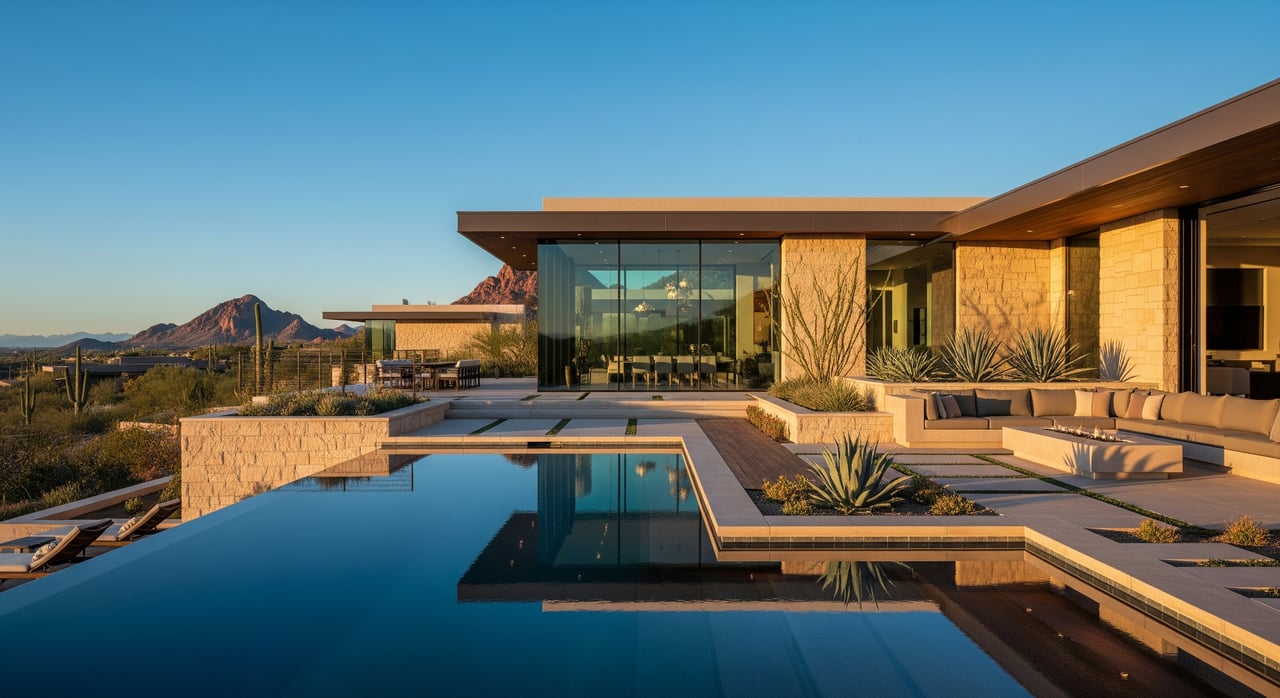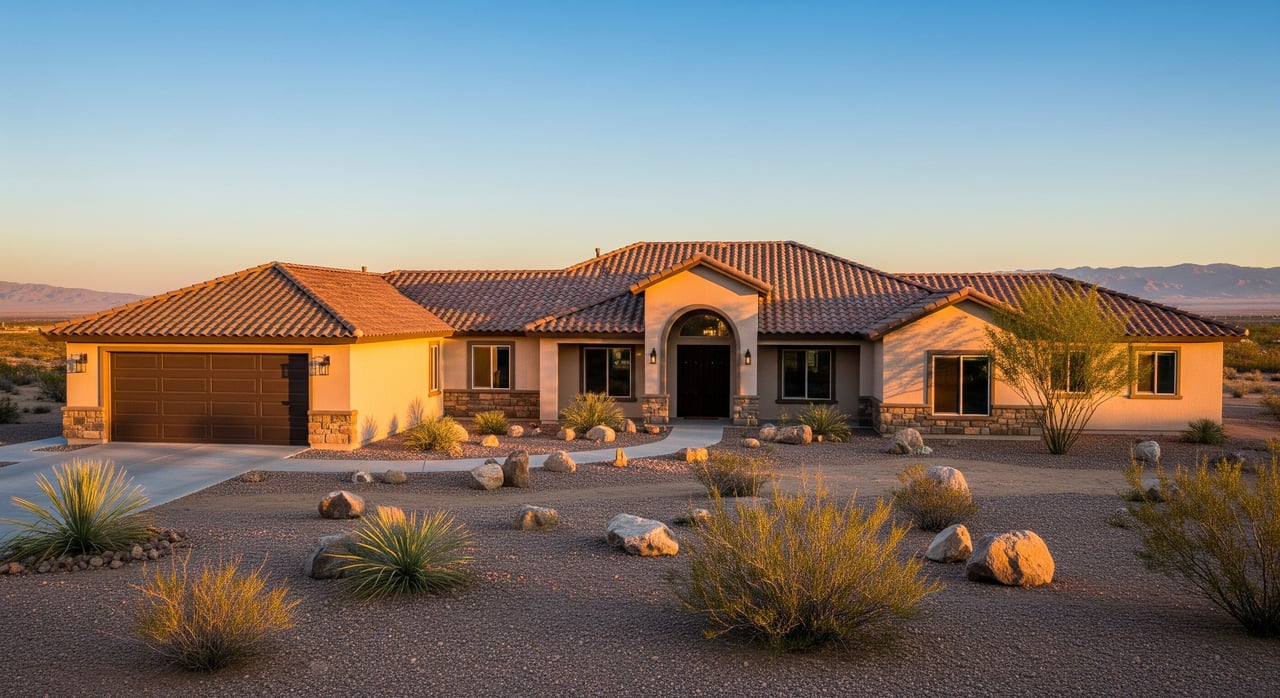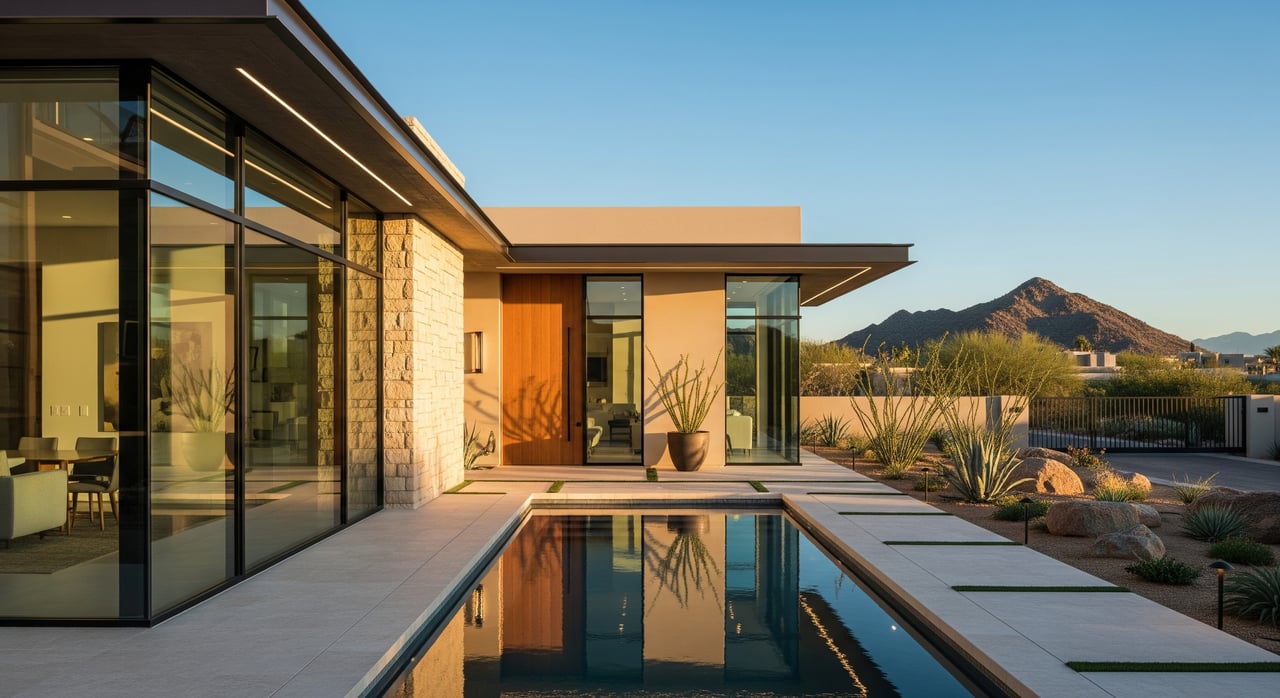
Buying or selling a custom estate in Paradise Valley Village or North Scottsdale can hinge on one thing, the appraisal. In the luxury tier, every home is unique, comps are scarce, and view or acreage differences can swing value. You deserve a clear, practical view of how appraisers think and how to prepare. This guide breaks down the process, the local nuances that matter, and what you can do if value and price do not align. Let’s dive in.
What a luxury appraisal does
An appraisal is a professional opinion of market value as of a specific date, built on research, inspection, and analysis. For mortgage lending, appraisers follow standards set by USPAP, which defines credible work and reporting scope. You can review the governing framework at The Appraisal Foundation.
Most luxury assignments use the sales comparison approach, supported by cost and sometimes income analyses when evidence is thin. The key is market support. Adjustments must reflect how buyers in your segment actually behave, not arbitrary rules.
Who values your estate
High-value or complex homes call for experienced, highly credentialed appraisers. In Arizona, licensing and practice requirements are set by the Arizona Board of Technical Registration. Lenders often require a Certified Residential or Certified General appraiser for large loan amounts and complex properties.
Appraisers also rely on education and methods promoted by the Appraisal Institute for complex residential valuation, especially when dealing with views, acreage, or unique custom features.
Local market realities
North Scottsdale and adjacent areas, including Paradise Valley Village, contain a mix of trophy estates, custom builds on larger lots, and gated enclaves such as Silverleaf, DC Ranch, Troon, and the Pinnacle Peak area. These micro-markets often move independently, so a sale in one enclave may not translate directly to another.
The luxury tier often has limited closed sales and longer marketing periods. Off-market activity can be common. Appraisers typically verify details through ARMLS data, the Maricopa County Assessor for lot size and legal description, and market analytics such as the Cromford Report.
How comps are chosen here
For custom and estate-level homes, appraisers start by searching inside the same community or a tightly competitive set of enclaves. When sales are scarce, they widen the search and then explain location and amenity differences in writing. Techniques include paired-sales analysis, unit-of-comparison breakdowns like price per square foot, and time adjustments for market shifts, consistent with methods taught by the Appraisal Institute.
View premiums and position
City-light, mountain, golf, and desert wash vistas influence market reaction, but there is no fixed multiplier. Appraisers test value with paired sales, statistical analysis when sample sizes allow, and market interviews. In North Scottsdale, panoramic views are often highly sought, yet the premium must be supported by closed-sale evidence and timing.
Acreage and usable land
When lot size materially exceeds neighborhood norms, appraisers isolate land value using price per acre, land residual methods, and highest and best use analysis. Usable versus non-usable acreage matters, especially with slope or wash constraints. Expect your report to reference assessor maps and public records from the Maricopa County Assessor.
Guest houses and ADUs
Permitted, code-compliant guest houses with full facilities can contribute significant value, either as additional living area or as accessory units. Unpermitted structures are treated cautiously and may be excluded or adjusted downward. Documentation, including permits and utility connections, is critical. Licensing and practice oversight lives with the Arizona Board of Technical Registration, which underscores the focus on compliance.
High-end finishes and systems
Imported stone, artisan millwork, smart-home systems, and resort-style pools are analyzed for contributory value. Appraisers rely on comps with similar finish levels. If those are limited, they support adjustments with cost data and market evidence. Extremely specialized features that appeal to a narrow audience may have limited contributory value, even if the install cost was high.
Cost and income approaches
The cost approach is useful for new or near-new custom builds and for unique features that comps do not capture well. It estimates replacement or reproduction cost, then subtracts depreciation to indicate value, within USPAP’s framework at The Appraisal Foundation. The income approach is secondary for owner-occupied trophy homes, but it can be relevant if there is verifiable rental income, such as a legal guest house with leases.
Appraised vs market vs list price
Appraised value is the appraiser’s opinion of market value as of a date, produced to USPAP and lender requirements. Market value is what a typical buyer would pay in an open market. List price is the seller’s asking number. In the luxury segment, these can diverge for several reasons:
- Limited closed comps or non-disclosed off-market sales.
- Rapid market movement that outpaces available evidence.
- Unique buyer preferences that push a premium not widely supported.
- Differences in scope, where a broker CMA may include listings, while appraisals require closed data.
If your appraisal comes in low
There are structured remedies when an appraisal is below contract price. A Reconsideration of Value, often called an ROV, allows you to submit additional closed sales and objective evidence for review. Lenders and appraisers follow appraisal independence rules, so new evidence must drive any change. For policy context, see Fannie Mae and Freddie Mac.
Other options include renegotiating the contract, increasing the down payment, seeking lender permission for a second appraisal, or exercising contingencies if available.
Seller and buyer checklists
Seller checklist
- Provide a concise packet of recent closed comps, including any verifiable off-market closings with documentation.
- Gather permits, certificate of occupancy, and plans for additions, guest houses, or major systems.
- Create an itemized upgrades list with dates and invoices for kitchens, pools, landscape, and smart-home systems.
- Share floor plans, accurate living area details, a survey or site plan, and professional photos that show views and privacy.
- Include HOA documents that describe amenities and access.
Buyer checklist
- Compile closed sales that reflect similar view quality, acreage, and finish level. Focus on evidence within tight micro-markets.
- Document recent closings that may not have been in the appraiser’s dataset.
- If you are asserting income potential from a permitted guest house, provide leases, rent rolls, and market rent evidence.
Paradise Valley Village nuances
Within Paradise Valley Village, you see a mix of custom homes on larger lots, subdivisions with controlled access, and homes positioned for mountain and city-light views. Appraisers prioritize comps from the most directly competitive pockets, then expand outward only when necessary and with support. Privacy, orientation, and siting within the desert landscape can be defining factors, but each adjustment must be tied to market behavior rather than rule-of-thumb estimates.
Get fiduciary-level guidance
If you plan to sell or buy a luxury home or view lot, a disciplined strategy improves your appraisal outcome. A clear record of permits, comps, and upgrade costs helps the appraiser present a defensible value, and it helps you negotiate confidently. For tailored advisory on valuation, contract terms, and presentation, connect with Brad Qualley. Request a Confidential Home Valuation.
FAQs
How do appraisers handle off-market sales in Paradise Valley Village?
- They can use off-market closings if the sale is verifiable with reliable documents, and they must disclose the sources and confirm market exposure.
How are mountain or city-light views quantified in North Scottsdale?
- Appraisers look for paired sales, competitive listings, and buyer interviews to support a view premium, then apply adjustments only where the market evidence is clear.
What if a luxury appraisal is below the contract price?
- You can request a Reconsideration of Value with additional closed sales, consider renegotiation, increase the down payment, or explore a second appraisal at the lender’s discretion.
Do guest houses count toward square footage in luxury appraisals?
- Permitted, code-compliant guest houses with full facilities can contribute significant value, while unpermitted or non-habitable structures are treated cautiously and may be excluded or adjusted downward.
When is the cost approach most useful for custom estates?
- For new or near-new builds and unique features that comps do not capture well, the cost approach can help cross-check value, provided cost data and depreciation are well supported.