Trading acreage and upkeep for a low‑maintenance home can feel both exciting and overwhelming. You might be ready to travel more, simplify your day‑to‑day, or free up equity, but still want Scottsdale’s lifestyle and privacy. In this guide, you’ll learn how to time your move, compare HOA trade‑offs, structure financing, and prepare emotionally and logistically. You’ll also see the exact documents to request so you can buy with confidence and sell well. Let’s dive in.
What lock‑and‑leave means in Scottsdale
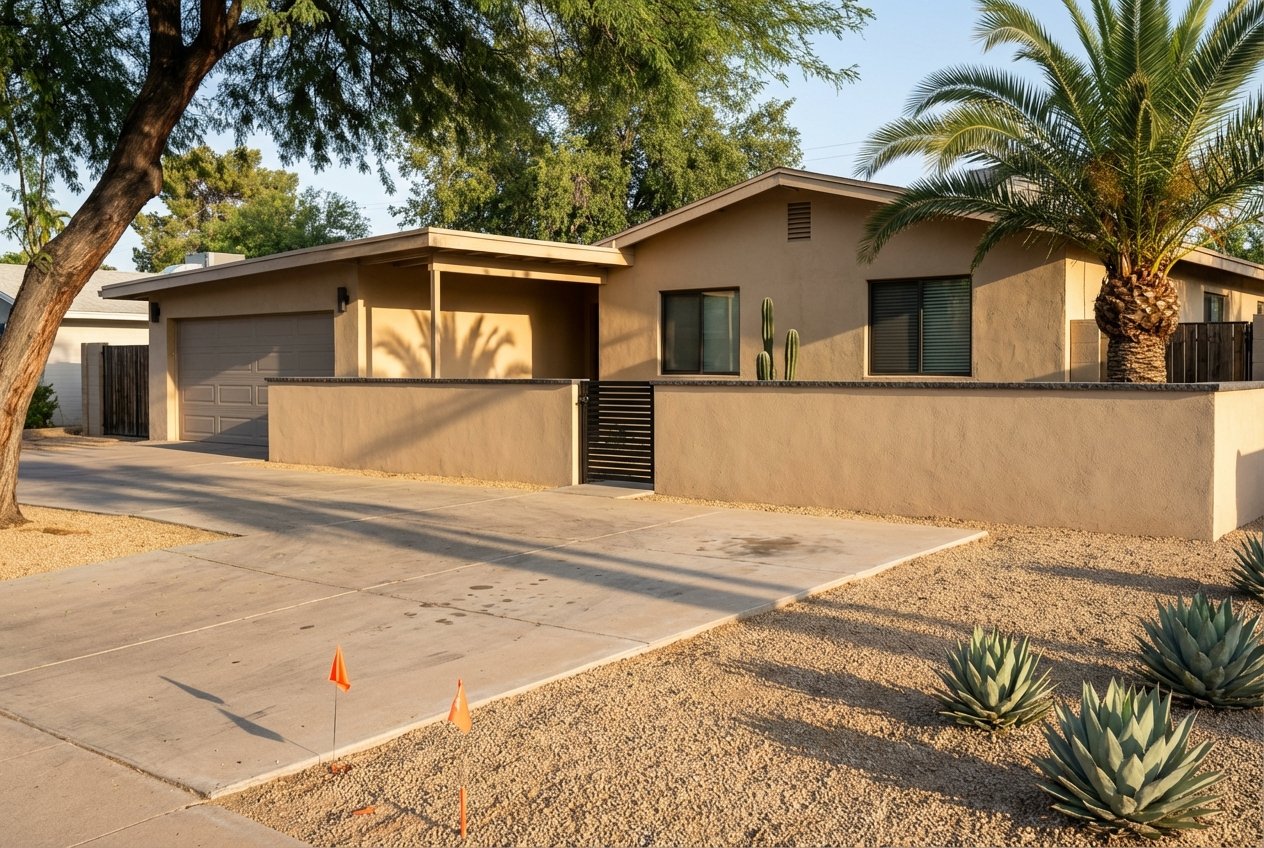
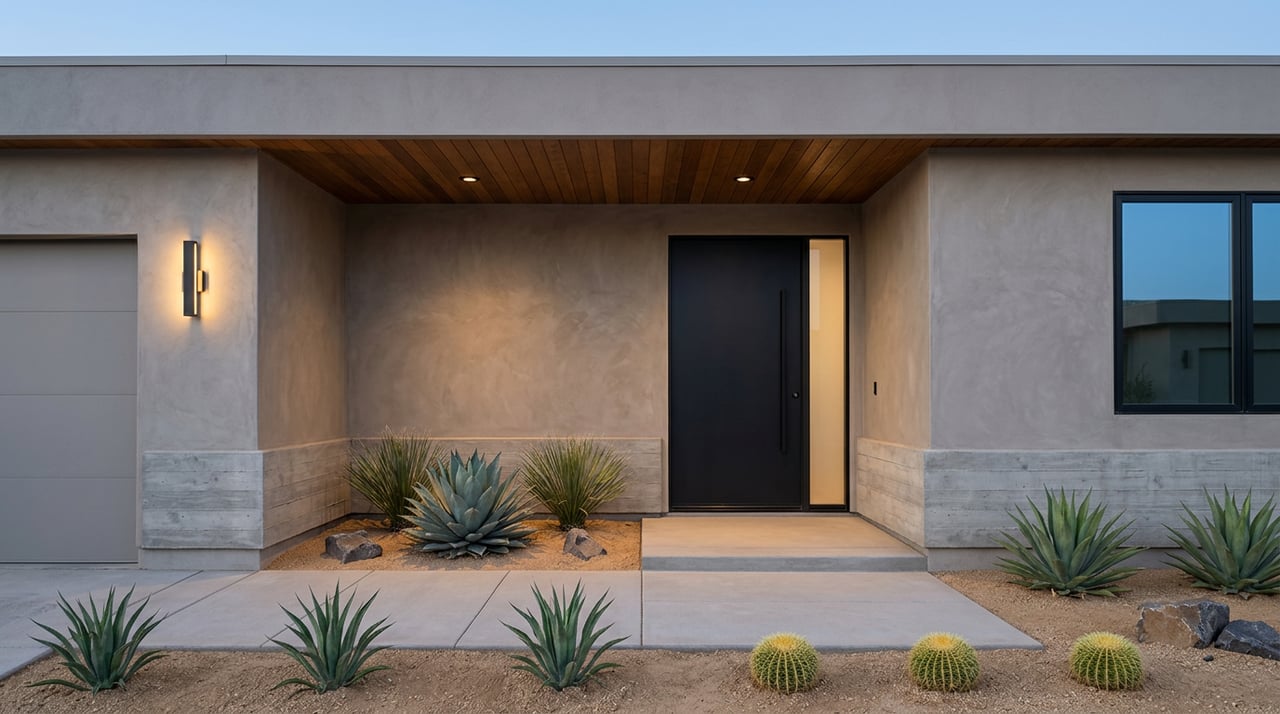
In Scottsdale, lock‑and‑leave options span several product types. You’ll find high‑amenity condos near Old Town and Kierland, gated townhomes and patio‑home communities in areas like Grayhawk, McCormick Ranch, Gainey Ranch, and DC Ranch, and single‑story patio homes designed for easy care. The common thread is low exterior maintenance and community services that let you come and go with peace of mind.
If you are new to the concept, a quick primer on the lock‑and‑leave lifestyle covers typical services, security, and how these communities operate. You can review a helpful overview in this guide to the lock‑and‑leave lifestyle FAQs.
Market timing and pricing context
Scottsdale’s market shows price dispersion by neighborhood and product. Luxury submarkets have fewer transactions, which can cause citywide averages and medians to diverge from what you see on your street. Seasonal demand often tightens inventory between November and March as winter visitors shop, so timing your listing window matters.
Use neighborhood‑level data to plan. Ask your agent for a current CMA, median sale price, and days on market for your zip code and property type. Confirm the metric itself before making decisions. Median sale price, price per square foot, and index values are not interchangeable.
Pick your path: sell, buy, or bridge
Choosing how to sequence your sale and purchase is a finance and lifestyle decision. Each approach has benefits and trade‑offs. Start by clarifying your tolerance for carrying two homes, then line up the right lending option if needed.
Sell first
- Pros: You avoid interim carrying costs and can apply full proceeds to your purchase. Your next offer is stronger without a home‑sale contingency.
- Cons: You may need short‑term housing or a post‑closing leaseback. You could miss a rare listing while between homes.
- Best for: Sellers who want to minimize financing complexity and prefer to buy with cash in hand.
Buy first
- Pros: You avoid moving twice and can time your estate sale for maximum market exposure. Your lifestyle continues without interruption.
- Cons: Expect short‑term finance costs or equity products to carry both homes. Bridge loans are usually faster but more expensive, while HELOCs typically cost less but require qualifying and draw periods. For an overview of how these tools compare, see this primer on bridge loans vs HELOCs.
- Best for: Owners prioritizing continuity and who have the capacity for a temporary double carry.
Make a contingent offer
- Pros: You avoid bridge financing and can proceed once your home sells. You reduce the risk of owning two properties at once.
- Cons: Contingent offers are less attractive for in‑demand listings. You can negotiate shorter contingency windows to stay competitive.
Use a seller rent‑back
- Many closings include a negotiated post‑closing occupancy so you have time to move. Spell out rent, term, deposits, and insurance in the purchase contract and escrow instructions. Local practice varies by market intensity, so confirm terms early with your agent and escrow officer.
Quick sequencing checklist
- Step 0: Request a net‑proceeds estimate and a local CMA so you understand likely sale price and timeline.
- Step 1: Decide your tolerance for a double carry and consult a lender about bridge or HELOC options. Start with a side‑by‑side on bridge loans vs HELOCs.
- Step 2: If selling first, plan decluttering and staging and set a listing window that accounts for winter demand.
- Step 3: If buying first, secure pre‑approval for your bridge or HELOC and add backstop language to protect your equity if timelines shift.
HOA realities and what to review
For downsizers, HOAs can shift exterior maintenance, landscaping, and security to the association. That convenience comes with monthly dues, rules, and the potential for special assessments. Go in with clear eyes and the right documents.
Ask for these items up front:
- CC&Rs and rules. Review exterior change approvals, parking, rental limits, and pet policies.
- Current budget and operating statement. Confirm what dues include, such as water, exterior insurance, cable or internet, and routine maintenance.
- Reserve study and reserve balance. This is the best indicator of future special assessments. Verify when major projects like roofing, painting, or pool replastering are projected. Learn more about owner rights and records access in this overview of Arizona HOA laws and responsibilities.
- Meeting minutes and any recent or pending special assessments. Minutes often reveal near‑term projects and cost changes.
Arizona statutes define planned communities and condominiums and outline governance and owner rights. If you want to understand how communities are defined under state law, see the statute that sets terms for planned communities in Title 33. Confirm any specific enforcement powers or roadway rules with the board or your attorney before you commit.
Taxes, title, and county notices
Capital gains on your primary residence may be partially excluded if you meet ownership and use tests. Many homeowners can exclude up to $250,000 of gain, or up to $500,000 if married filing jointly. Review the details in IRS Publication 523 and confirm your situation with a CPA, especially if you used any part of the home for business or rental.
In Maricopa County, your annual Notice of Value shows your Limited Property Value, which is used to compute property taxes. Under Proposition 117, the LPV can increase up to 5 percent per year absent a qualifying change. Learn how the notice works and the appeal window in the Assessor’s valuation notice FAQ.
Arizona has customary practices for title insurance at closing. In many transactions, sellers pay for the owner’s title insurance policy, while buyers with loans pay the lender’s policy. These items are negotiated in the contract, so confirm specifics with your escrow officer. You can review a regional summary of closing conventions in this seller’s guide overview.
Your downsizing roadmap
A measured plan reduces stress and protects value. Use this sequence to move from decision to a smooth close.
6 to 12 months out: plan and align
- Inventory what will move with you, what to sell with the home, what to donate, and what to store. Use a room‑by‑room matrix to stay objective.
- Engage key partners: your listing agent for market timing and comps, a CPA or estate attorney for tax and transfer questions, and an experienced move manager. Certified senior move managers can coordinate sorting, sales, and the move itself. Explore services offered by senior move specialists.
- Define your ideal lock‑and‑leave profile. Consider single‑level access, storage needs, garage size, and proximity to services you use weekly.
3 to 6 months out: edit and prepare
- Conduct a major purge via donation, consignment, or an estate sale. Document provenance for art, jewelry, and collectibles and get appraisals where appropriate.
- Make targeted improvements with buyer ROI in mind. Depersonalize, refresh paint where needed, and plan light staging that highlights volume and indoor‑outdoor flow.
- If you will buy first, finalize your bridge or HELOC terms and timeline. If you will sell first, set your listing window and photography date.
0 to 2 months out: contract and move logistics
- If selling first, align your closing with your temporary housing plan. Consider a seller rent‑back if both parties agree and put terms in writing, including rent, deposit, liability, and insurance.
- If buying first, confirm financing terms in writing and add a contingency plan that addresses timing if your estate takes longer to sell.
- Book movers, transfer utilities, and prepare a measured floor plan for the new home so only right‑sized furniture and key pieces make the cut.
After closing: settle and simplify
- Unpack critical zones first, like the primary bedroom, kitchen, and bathrooms.
- Set up services that support a lock‑and‑leave lifestyle. That can include periodic house checks, landscape and pool service, and clear instructions for package handling and guest parking.
- Add smart‑home tools for remote oversight, such as a video doorbell, smart thermostat, and water sensors. For aging‑in‑place priorities, review AARP’s HomeFit concepts and consult a contractor as needed. Start with these AARP materials for home planning.
What to verify before you act
Use this short list to focus your due diligence:
- Neighborhood pricing and timeline. Ask your agent for the current median sale price and days on market for your zip code and property type.
- HOA cost and stability. Confirm the exact monthly dues, what they include, the reserve study and balance, and any voted or proposed special assessments. Review Arizona owner records rights in this HOA rights overview.
- Property taxes. Review your Maricopa County Notice of Value, confirm your Limited Property Value, and note the appeal window using the Assessor’s valuation FAQ.
- Closing norms. Confirm who pays for the owner’s title policy, any lender policy, and customary escrow fees with your title officer. For background, review this seller’s guide snapshot.
Ready to right‑size your life
Downsizing in Scottsdale can unlock a simpler, more flexible lifestyle without giving up the desert setting you love. With careful sequencing, clear HOA due diligence, and smart timing, you can preserve wealth and upgrade convenience. If you are weighing options or want a discreet valuation conversation, connect with a fiduciary advisor who handles complex, high‑value transactions every day. For tailored guidance and a precise read on your next steps, reach out to Brad Qualley to Request a Confidential Home Valuation.
FAQs
When is the best time to list a Scottsdale estate if I plan to downsize?
- Seasonal demand often tightens between November and March, so discuss a winter listing window with your agent and use neighborhood‑level data on median price and days on market to refine timing.
What exactly counts as a lock‑and‑leave home in Scottsdale?
- It is typically a condo, townhome, or patio home where the HOA handles much of the exterior maintenance and common‑area care, which simplifies travel and second‑home use; review a primer on the lock‑and‑leave lifestyle.
How do HOA dues and special assessments work for condos and townhomes?
- Dues fund operations and reserves, and special assessments cover big projects when reserves fall short; always request CC&Rs, the current budget, the reserve study and balance, and the last 12 months of minutes, and review Arizona owner rights in this HOA guide.
Should I use a bridge loan or a HELOC if I buy first?
- Bridge loans are usually faster but come with higher short‑term costs, while HELOCs often cost less but require qualifying and have draw rules; compare structures and timelines in this bridge vs HELOC overview.
Will I owe capital gains tax when I sell my primary residence?
- Many sellers can exclude up to $250,000 of gain, or $500,000 if married filing jointly, if ownership and use tests are met; start with IRS Publication 523 and confirm details with your CPA.
Who typically pays for owner’s title insurance in Arizona?
- It is common for sellers to pay for the owner’s title policy and for buyers with loans to pay the lender’s policy, though terms are negotiable; see a regional summary in this seller’s guide and confirm with your escrow officer.
How does Maricopa County’s Limited Property Value affect my taxes?
- The Limited Property Value is used to compute taxes and can increase up to 5 percent per year absent a qualifying change; see the Assessor’s valuation notice FAQ for timing and appeals.