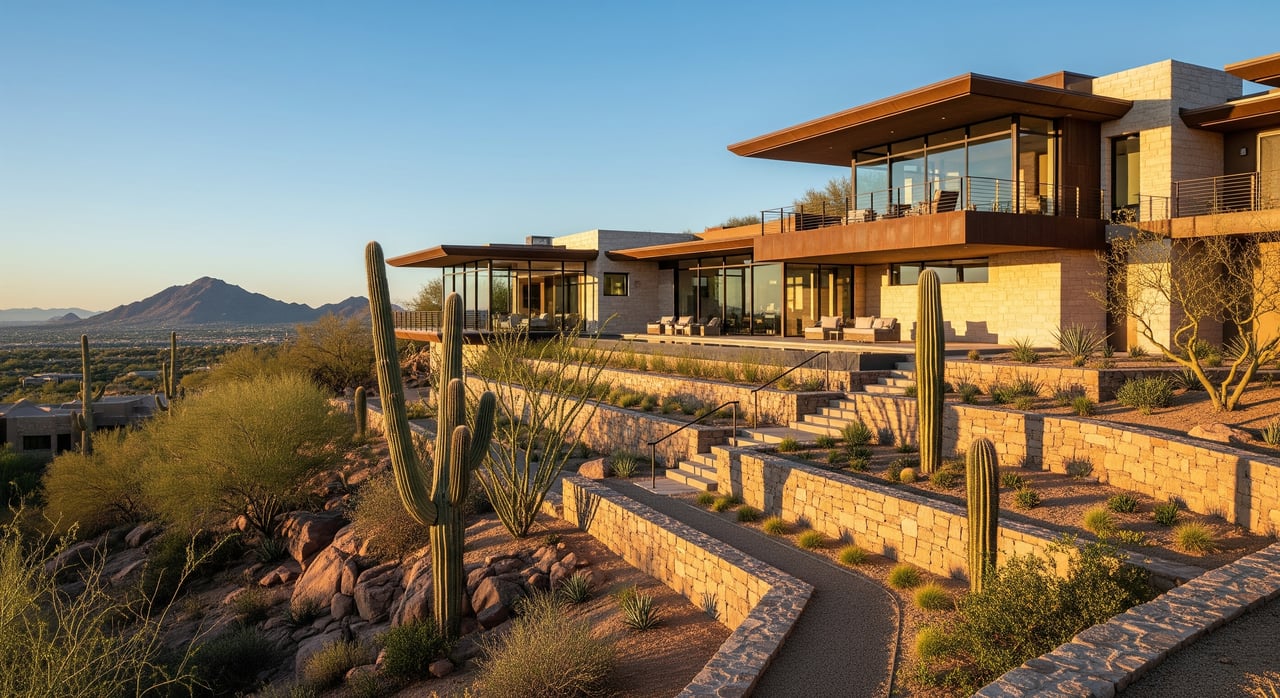
Buying or selling a slope lot in Paradise Valley Village can feel complex fast. You want the views and privacy without surprises in permitting, grading, or design limits. With a clear plan, you can protect your budget and timeline while meeting Phoenix hillside rules. This guide walks you through how the City of Phoenix treats hillside sites, what to check before you commit, and how to move forward with confidence. Let’s dive in.
Know your jurisdiction
Before you analyze any rule, confirm who governs the parcel. Paradise Valley Village sits inside the City of Phoenix. It is not the Town of Paradise Valley. Phoenix zoning and hillside regulations apply to Paradise Valley Village lots. The Town of Paradise Valley uses separate standards. When in doubt, verify municipal boundaries with the city.
How Phoenix treats slopes
Phoenix hillside provisions apply when natural terrain meets certain slope thresholds. These rules affect grading, disturbance area, and how a building can sit on the land. The steeper the slope, the more review and engineering you should expect.
Start with a topographic survey
- Order a current topographic survey that maps contours, slope breaks, and ridgelines.
- Ask your surveyor or civil engineer for a slope analysis that shows percent slope areas on the parcel.
- This analysis determines which hillside provisions will apply during permitting.
Ask about overlays and mapped areas
- Contact Phoenix Planning to confirm if the parcel is in any hillside or scenic overlay.
- Even if no overlay appears on a map, steep sections can still trigger hillside requirements at permit stage.
- Keep written notes of staff guidance for your due diligence file.
Height and massing on hillside lots
Base zoning sets maximum building height. Hillside standards often change how height is measured, which can reduce practical height on sloped sites. This is a common surprise for second-story plans.
Confirm how height is measured
- Identify the parcel’s base zoning first. That reveals the district’s standard height limit.
- Ask planning staff how Phoenix measures height on your slope. Some rules use natural grade rather than finished grade.
- Stepping the structure with the terrain is often needed to meet height and massing expectations.
Thinking about a second story
- A second floor may be possible. The outcome depends on height measurement, setbacks, and the need to step the home into the slope.
- Schedule a pre-application review with Phoenix Planning or hire an architect who works with Phoenix hillside projects.
- Review nearby parcels upslope to understand potential view and privacy interactions.
Grading, retaining walls, and site disturbance
Hillside controls focus on how much land you can disturb, how you manage cuts and fills, and how you handle water.
Plan for engineering
- Expect a geotechnical report for steeper conditions before major permits.
- An engineered grading plan is typically required when you cut, fill, or reshape meaningful portions of the site.
- Stormwater and erosion control plans are common submittals, with revegetation expectations after grading.
Retaining walls and access
- Visible retaining walls often have design expectations. Taller walls usually require structural engineering and aesthetic mitigation such as terracing or landscape screening.
- Driveway slope and emergency access can control where you can place the home. This affects the buildable envelope and costs.
- Ask sellers for any past grading permits or as-built plans that document existing walls and drainage.
Views, ridgelines, and visual impacts
Phoenix addresses visual impacts through hillside design standards and planning goals that preserve scenic character. The exact review depends on your parcel and any applicable overlay.
- Some projects may require visual simulations that show how the home reads from public vantage points or lower properties.
- Private view protection is limited. Neighboring parcels with buildable zoning may develop in the future.
- If you want to protect views, study upslope parcels and confirm their zoning and potential buildability.
Permits, approvals, and timelines
Hillside projects work best when you start early and assume multiple plan iterations. A pre-application meeting with Phoenix Planning helps set a realistic path.
Typical studies and permits
- Topographic survey and preliminary grading concept
- Geotechnical or soils report
- Engineered grading permit
- Building permits for foundation and structure
- Drainage and erosion control plans
- Possible site plan or hillside development review if disturbance or visual impacts cross certain thresholds
- Vegetation or tree removal permits if protected species are involved
How long it can take
- Small repairs or minor additions can follow standard building permit timelines.
- New builds or major grading often require months of studies and design, followed by several months of plan review and permitting.
- Discretionary approvals or variances can add time for neighborhood notice and hearings.
Buyer due diligence checklist
- Confirm jurisdiction and base zoning with the City of Phoenix.
- Order or review a topographic survey with slope analysis and ridgelines.
- Request prior permits, grading as-builts, drainage plans, geotechnical reports, and any conditions of approval.
- Schedule a pre-application discussion with Phoenix Planning.
- Get scope and fee estimates from a civil engineer and a geotechnical engineer experienced in Phoenix hillside projects.
- Verify driveway feasibility, maximum slopes, and emergency access with city staff.
- Review title for easements that affect the buildable area, including drainage and utility easements.
- Budget for hillside costs such as geotechnical work, engineered grading, retaining walls, drainage infrastructure, and longer timelines.
Seller preparation checklist
- Gather plats, site plans, geotech reports, grading and building permits, as-builts, and drainage reports.
- Compile maintenance records for retaining walls and drainage structures.
- Disclose known slope-related issues and prior repairs in your seller disclosures.
- Provide clear photos of slope conditions, access points, and views to set expectations.
- If applicable, surface any conservation easements or CC&Rs with slope restrictions.
- Consider a pre-listing consult with a civil or structural engineer on common buyer questions.
Risk factors to evaluate
- Title and easements. Drainage, slope, or utility easements can reduce the usable area. Confirm early.
- Geologic and drainage hazards. Steep sites can face erosion, sheet flow, or rockfall. A geotechnical report identifies risks and mitigation.
- Insurance and loans. Lenders may require geotechnical studies for construction loans on sloped sites. Confirm coverage exclusions for geologic events.
- Maintenance obligations. Clarify who is responsible for retaining wall and drainage maintenance, especially along shared boundaries.
Who to contact and what to ask
- City of Phoenix Planning and Development. Confirm zoning, hillside applicability, required studies, and review process for your parcel.
- Phoenix Permit Center. Ask about grading permits, drainage plan requirements, and submittal checklists.
- Maricopa County Flood Control District. Verify floodplain status and watershed issues.
- Arizona Geological Survey or similar resources. Review general slope stability and landslide susceptibility data for the area.
- Your professional team. Engage a civil engineer, geotechnical engineer, and architect with Phoenix hillside experience.
Move forward with clarity
A hillside lot in Paradise Valley Village can deliver the privacy and views you want when you approach it with discipline. Confirm jurisdiction, map the terrain, and build the right professional team early. With good information, you can control risk, align design with Phoenix rules, and protect your investment.
If you are weighing a purchase or preparing to sell, connect with a local advisor who handles land, view lots, and complex disclosures. For discreet, fiduciary guidance on your next step, reach out to Brad Qualley.
FAQs
What should I check first on a Paradise Valley Village slope lot?
- Confirm the parcel is inside the City of Phoenix, verify base zoning, and order a topographic survey with a slope analysis.
How does Phoenix measure building height on hillside sites?
- Height limits come from base zoning, but hillside rules often change how height is measured relative to natural grade. Ask planning staff how your parcel is measured.
Can I add a second story on a sloped lot in Paradise Valley Village?
- Possibly. The outcome depends on height measurement, setbacks, and stepping the structure with the slope. A pre-application review is the best first step.
What permits are typical for hillside construction in Phoenix?
- Expect an engineered grading permit, building permits, geotechnical and drainage plans, and possibly a hillside or site plan review depending on disturbance and visual impacts.
Will my view be protected if I build on a hillside?
- Phoenix considers visual impacts, but private view protection is limited. Study upslope parcels and confirm their zoning and buildability.
What extra costs should I plan for with a hillside build?
- Plan for geotechnical studies, engineered grading, retaining walls, drainage infrastructure, erosion control, revegetation, and longer permitting timelines.